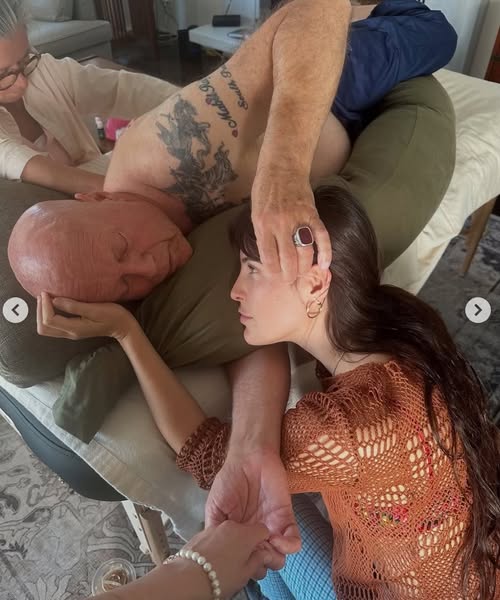
For decades, Bruce Willis became one of Hollywood’s most recognizable action stars through iconic films like Die Hard, Armageddon, and The Fifth Element.
Known for his sharp screen presence, humor, and unforgettable performances, Willis built a career that inspired millions of fans around the world.
But in recent years, the actor and his family have faced a deeply personal challenge far away from movie sets and cameras.
In 2023, Willis’s family publicly confirmed that he had been diagnosed with frontotemporal dementia, often called FTD — a rare and progressive neurological disorder that affects behavior, language, and communication.
The announcement immediately drew global attention and sparked important conversations about dementia awareness, caregiving, and neurological health.
The Family First Revealed Health Concerns in 2022
Before the FTD diagnosis became public, the Willis family announced in 2022 that Bruce would step away from acting after developing aphasia, a condition that affects communication abilities.
At the time, the family explained that the disorder had begun impacting his ability to work and communicate effectively.
Later, medical specialists determined that the aphasia was actually a symptom connected to frontotemporal dementia.
The family shared the updated diagnosis publicly through the Association for Frontotemporal Degeneration in an effort to increase awareness about the disease.
According to neurological experts, frontotemporal dementia is a group of brain disorders caused by degeneration in the frontal and temporal lobes of the brain.
These areas help control:
Language
Behavior
Personality
Decision-making
Emotional responses
Unlike Alzheimer’s disease, which often begins with memory loss, FTD usually starts with changes in communication or social behavior.
Common symptoms may include:
Difficulty speaking or understanding language
Communications & Media Studies
Behavioral changes
Reduced emotional awareness
Trouble planning or organizing tasks
Changes in personality
Gradual movement difficulties
Experts say symptoms and progression can vary significantly from person to person.
Why FTD Often Goes Unrecognized
One reason frontotemporal dementia remains less understood than other neurological conditions is because it often appears earlier in life.
Researchers estimate many cases develop between ages 40 and 65, although older adults can also be affected.
Because symptoms may first resemble stress, depression, personality shifts, or communication issues, diagnosis can sometimes take time.
Medical specialists emphasize the importance of neurological evaluation when unexplained behavioral or language changes begin interfering with daily life.