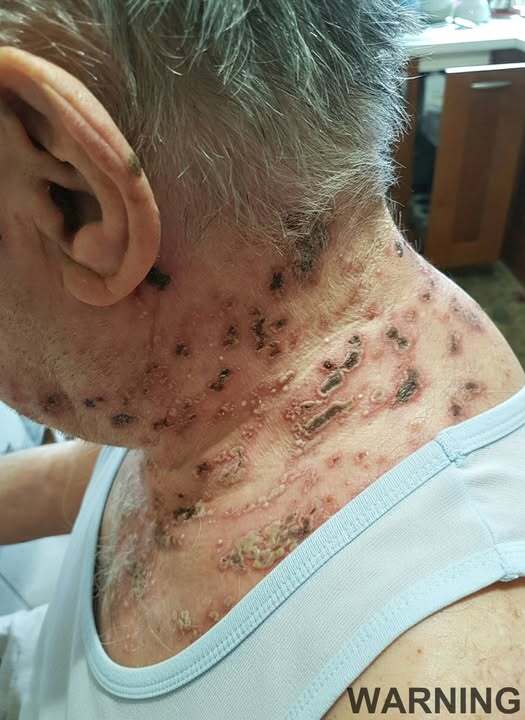
There are certain health conditions that make their presence known immediately, with clear and unmistakable symptoms. Others, however, remain hidden for years—quietly existing within the body without any visible signs. Among these is shingles, a condition that often surprises people because its origins trace back to an illness many experienced long ago and thought was completely gone.
Shingles is not something that appears out of nowhere. Its story begins earlier in life, often during childhood, with a common viral infection known as chickenpox. Once a person recovers from chickenpox, it may seem as though the virus has been eliminated entirely. In reality, that virus does not fully leave the body. Instead, it retreats into the nervous system, where it remains inactive, sometimes for decades.
During this dormant phase, the virus causes no symptoms and gives no indication of its presence. It resides in nerve tissues near the spinal cord and brain, essentially “sleeping” while the immune system keeps it under control. Many people go through most of their lives without ever thinking about it again.
However, under certain conditions, this inactive virus can become active once more. When it reactivates, it travels along nerve pathways to the skin, resulting in shingles. This process is often linked to factors that affect the immune system, such as aging, prolonged stress, illness, or physical and emotional exhaustion. When the body’s defenses are weakened, the virus has an opportunity to resurface.
What makes shingles unique—and often more difficult to deal with—is that it is not just a skin condition. Although it is commonly recognized by its rash, the underlying issue involves the nerves. This is why the discomfort associated with shingles can be so intense. The virus affects nerve fibers, leading to sensations that may include burning, tingling, itching, or sharp pain.
In many cases, the early signs of shingles are easy to overlook. Before any visible rash appears, a person may notice unusual sensations in a specific area of the body. This could be a tingling feeling, a persistent itch, or a dull ache that does not seem to have a clear cause. These symptoms often occur on one side of the body and can last for several days before the rash develops.
As the condition progresses, a rash typically forms in the affected area. It often begins as red patches that gradually turn into clusters of fluid-filled blisters. These blisters usually follow the path of the nerves, which is why they often appear in a band or strip-like pattern. The torso is a common location, but shingles can also affect the face, neck, or even the eyes.
The rash itself can be painful and sensitive, but the discomfort associated with shingles often goes deeper. Because the nerves are involved, the pain can feel intense and persistent. For some individuals, even light contact—such as clothing brushing against the skin—can cause significant discomfort.
In many cases, the visible symptoms of shingles begin to heal within a few weeks. The blisters dry out and form scabs, and the skin gradually recovers. However, for some people, the pain does not disappear along with the rash. Instead, it continues for weeks or even months after the skin has healed. This lingering pain is known as postherpetic neuralgia, and it can have a significant impact on daily life.
Living with ongoing nerve pain can be challenging. It can interfere with sleep, reduce energy levels, and affect mood. When discomfort persists, it may also make it difficult to focus on work or enjoy regular activities. Over time, this can lead to feelings of frustration or fatigue, especially if the pain is unpredictable or difficult to manage.
Despite these challenges, shingles is a condition that can be managed effectively, especially when it is recognized early. One of the most important steps is paying attention to the initial warning signs. Identifying symptoms in the early stages allows for quicker medical intervention, which can help reduce the severity and duration of the illness.
Medical treatment for shingles often includes antiviral medications. These medications work by slowing down the replication of the virus, helping to control the outbreak. They are most effective when started within the first few days of symptoms, which is why early diagnosis is so important.
In addition to antiviral treatment, managing symptoms is a key part of recovery. Pain relief strategies may include medications, topical treatments, or other supportive measures recommended by a healthcare provider. Keeping the affected area clean and protected can also help prevent complications and promote healing.
Prevention is another important aspect to consider. While not everyone who has had chickenpox will develop shingles, the risk increases with age. Fortunately, there are vaccines available that can significantly reduce the chances of developing shingles and its associated complications. These vaccines are commonly recommended for older adults and for individuals with certain health conditions.
Maintaining a strong immune system also plays a crucial role in prevention. Everyday habits can make a difference in how well the body is able to keep the virus inactive. Eating a balanced diet, staying physically active, and getting enough sleep all contribute to overall health and resilience.
Stress management is particularly important. Chronic stress can weaken the immune system over time, making it easier for dormant viruses to reactivate. Finding healthy ways to cope with stress—such as exercise, relaxation techniques, or spending time with supportive people—can help protect both physical and emotional well-being.
Listening to your body is another essential habit. Subtle changes, like unusual sensations or unexplained discomfort, should not be ignored. While these symptoms do not always indicate a serious issue, being aware of them can help you take action when needed. Seeking medical advice early can provide reassurance and ensure that any condition is addressed promptly.
It is also important to understand that shingles does not only affect older adults. Although age is a significant risk factor, people of various ages can develop the condition, especially if their immune system is compromised. This may include individuals undergoing certain medical treatments, those with chronic health conditions, or those experiencing prolonged periods of stress.
In some cases, shingles can lead to complications beyond nerve pain. If the virus affects the area around the eyes, it can cause vision problems and requires immediate medical attention. In rare situations, it may also affect other parts of the nervous system. While these complications are uncommon, they highlight the importance of timely diagnosis and care.
Recovery from shingles varies from person to person. Some individuals experience mild symptoms that resolve within a few weeks, while others may face a longer or more intense recovery period. Regardless of the severity, patience and proper care are key to healing.
Support from others can make a meaningful difference during recovery. Dealing with discomfort or pain can feel isolating, but sharing the experience with family, friends, or healthcare professionals can provide comfort and encouragement. Even small gestures of support can help improve emotional well-being.
Education is one of the most powerful tools when it comes to managing health. Understanding what shingles is, how it develops, and how it can be treated helps reduce fear and uncertainty. When people are informed, they are better equipped to recognize symptoms and seek appropriate care.
Shingles also serves as a reminder that not all health conditions are visible. What happens inside the body can have a significant impact, even when there are no obvious signs at first. Paying attention to internal health and maintaining regular check-ups can help detect issues early.
There is a broader lesson in how we approach our well-being. Health is not just about reacting to illness—it is about prevention, awareness, and self-care. Small, consistent habits can build a strong foundation that supports both physical and mental health.
Taking time to rest, respecting your limits, and prioritizing recovery are essential parts of maintaining balance. In a fast-paced world, it is easy to overlook these needs, but they are crucial for long-term well-being.
For those who have experienced shingles, the condition can be a turning point. It may encourage a renewed focus on health and self-care, leading to positive lifestyle changes. For those who have not experienced it, awareness provides an opportunity to take preventive steps and reduce future risk.
Ultimately, shingles is not just about a virus—it is about the relationship between the body, the immune system, and everyday life. It highlights the importance of listening to your body, responding to early signs, and taking proactive steps to protect your health.
While the idea of a dormant virus may seem concerning, it does not have to be a source of fear. With the right knowledge, timely care, and healthy habits, shingles can be managed effectively. Staying informed and attentive allows you to face potential health challenges with confidence and control.
Your health is an ongoing journey, shaped by the choices you make each day. By staying aware, seeking guidance when needed, and caring for your body and mind, you can navigate that journey with resilience and strength.
