
Seeing a fast-moving insect dart across your floor can be unsettling. For many people, the immediate reaction is to eliminate it as quickly as possible. House centipedes, with their long legs and sudden movements, often trigger this response more than most household insects. However, before reaching for a shoe or insect spray, it may be worth reconsidering. According to entomologists and pest-control experts, house centipedes play a surprisingly beneficial role inside homes and are generally harmless to humans.
Understanding what house centipedes are, why they appear indoors, and how they actually help control other pests can change the way you view these often-misunderstood creatures.
What Is a House Centipede?
The house centipede (Scutigera coleoptrata) is a species commonly found in homes across North America, Europe, and parts of Asia. Unlike soil-dwelling centipedes, this species has adapted to indoor environments, where it can find shelter, moisture, and food year-round.
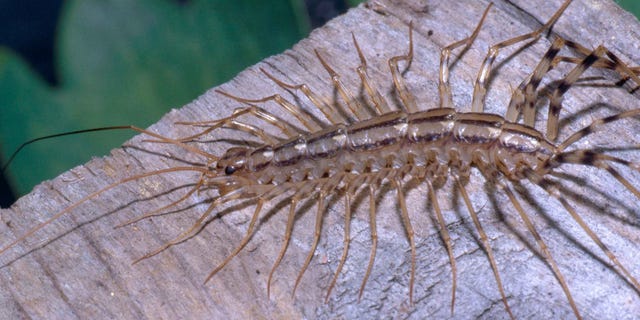
House centipedes are easily recognized by their elongated bodies, long antennae, and numerous legs, which can make them appear larger than they actually are. Adults typically measure about 1 to 1.5 inches in body length, though their legs extend their overall appearance.
Despite their intimidating look, house centipedes are not aggressive and generally avoid human contact.
Why Do House Centipedes Enter Homes?
House centipedes are attracted to environments that provide three basic needs: food, moisture, and shelter. Homes often meet all three criteria.
They are commonly found in:
- Basements and crawl spaces
- Bathrooms and laundry rooms
- Kitchens
- Areas with higher humidity
Their presence usually indicates that other insects are also present, since house centipedes rely on smaller pests for food. Cracks in foundations, gaps around doors or windows, and plumbing entry points can provide easy access indoors.

Natural Pest Control You Didn’t Know You Had
One of the most important reasons to think twice before killing a house centipede is its role as a natural predator. According to university extension services and pest management professionals, house centipedes feed on many common household pests, including:
- Cockroaches
- Spiders
- Ants
- Termites
- Bed bugs
- Silverfish
- Flies and moths
House centipedes use their speed and venomous front legs to immobilize prey. This venom is designed for insects and is not dangerous to humans. By hunting pests that can cause structural damage or contaminate food, house centipedes help reduce infestations without the use of chemical pesticides.
In many cases, seeing a house centipede means it is actively controlling other insects you may never notice.
Are House Centipedes Dangerous to Humans?
For most people, house centipedes pose no health risk. Bites are rare and typically occur only if the centipede is handled or trapped against the skin. When bites do happen, they are generally mild and comparable to a bee sting, causing temporary redness or irritation.
House centipedes:
- Do not spread disease
- Do not damage furniture, clothing, or food
- Do not reproduce in large numbers like some other pests
Their venom is not considered medically significant, and serious reactions are extremely uncommon.

Why They Look So Frightening
The fear surrounding house centipedes is largely due to their appearance and movement. Their long legs allow them to move quickly, which can be startling when encountered unexpectedly. Evolutionarily, this speed helps them hunt prey and escape predators.
From a biological standpoint, their design is highly efficient. Each leg segment contributes to stability and agility, allowing them to navigate walls, ceilings, and tight spaces. While visually alarming, this anatomy is one of the reasons they are so effective at pest control.
Killing Them May Backfire
Eliminating house centipedes without addressing the underlying cause can actually worsen pest problems. Since they feed on other insects, removing them may allow populations of more harmful pests to grow unchecked.
Pest-control experts often note that the presence of house centipedes is a symptom, not the problem itself. If centipedes are present, it usually means there is an available food source—other insects that may be far more difficult to manage.
What to Do If You Don’t Want Them Indoors
If you prefer not to share your living space with house centipedes, there are humane and preventive steps you can take without resorting to chemical sprays.
Reduce Moisture
- Use dehumidifiers in damp areas
- Fix leaky pipes and faucets
- Improve ventilation in bathrooms and basements
Seal Entry Points
- Caulk cracks in walls and foundations
- Seal gaps around doors, windows, and utility lines
Eliminate Other Pests
- Keep food sealed and surfaces clean
- Remove clutter where insects can hide
By making your home less attractive to insects overall, house centipedes are less likely to stay.
When to Consider Professional Help
In rare cases where centipedes appear in large numbers, consulting a licensed pest-control professional may be helpful. An expert can identify underlying issues such as moisture problems or hidden infestations and recommend targeted solutions that minimize environmental impact.
A Change in Perspective
House centipedes are not signs of a dirty home, nor are they aggressive invaders. They are part of a natural ecosystem that exists even indoors. While their appearance can be unsettling, their presence often means fewer harmful insects are lurking out of sight.
Understanding their role can help reduce unnecessary fear and prevent overuse of pesticides that may pose greater risks to human health and the environment.
Final Thoughts
The next time you see a house centipede racing across your floor, it may help to pause before reacting. These creatures are silent hunters, working behind the scenes to keep other pests under control. While no one expects you to welcome them as pets, recognizing their benefits can lead to smarter, safer pest management choices.
Sometimes, the most unexpected houseguests are doing more good than harm.