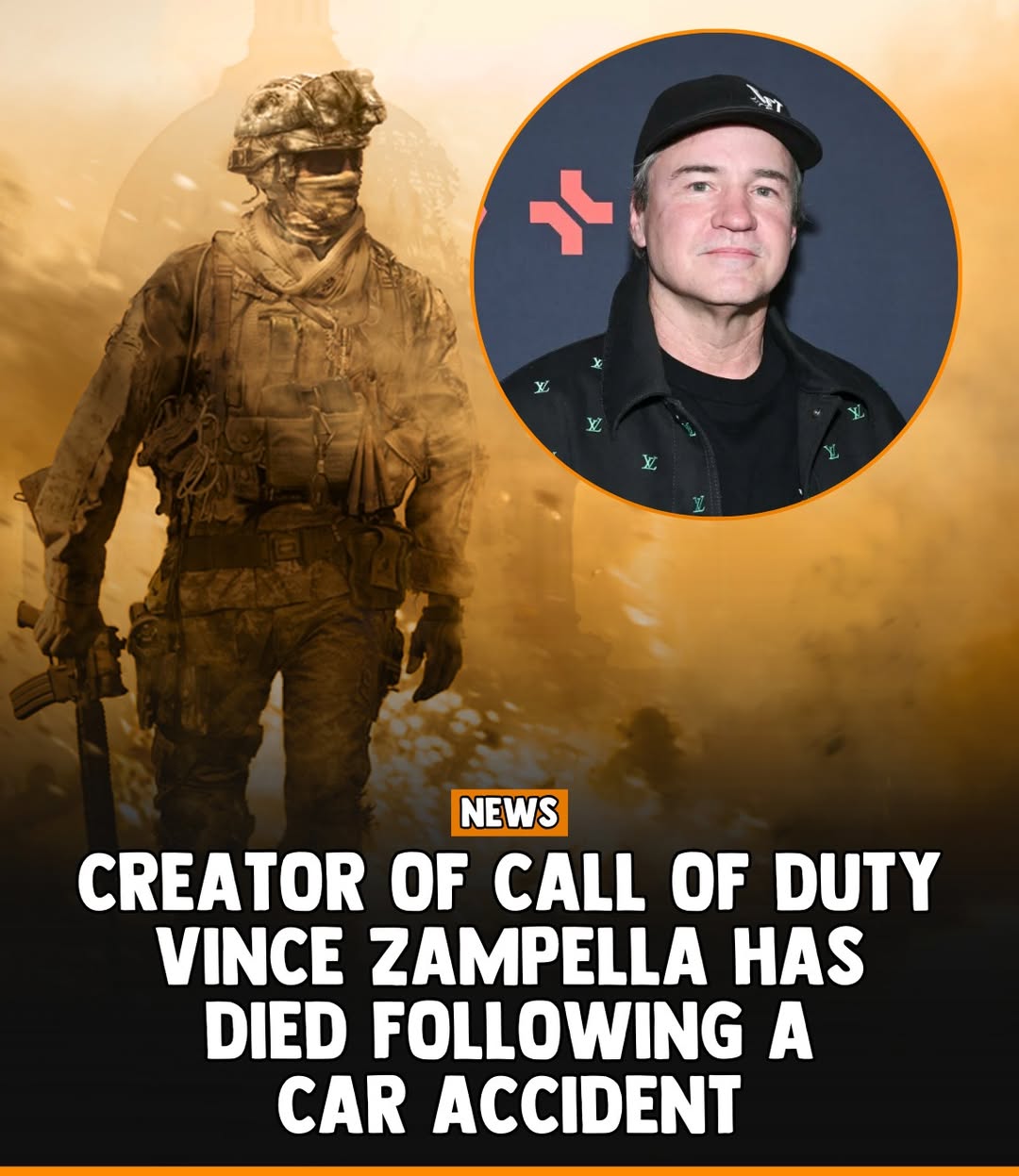
The video game industry has been rocked by the sudden death of one of its most influential creators. Vince Zampella, co‑creator of the Call of Duty franchise and long‑time leader at multiple major studios.
Died on December 21, 2025, at the age of 55. His passing was confirmed by his employer, Electronic Arts (EA), in a heartfelt statement describing the loss as.
“Unimaginable” and praising his profound impact on the video game medium. Zampella’s career spanned nearly three decades and played a central role in shaping modern interactive entertainment.
From the early days of first‑person shooters to today’s blockbuster global franchises, his influence was far‑reaching, both in the games that players loved and in the way games are developed across the industry.

Tragic Accident on Angeles Crest Highway
According to multiple news reports, Zampella was killed in a single‑vehicle accident on Angeles Crest Highway, a scenic but winding road in the San Gabriel Mountains north of Los Angeles.
The California Highway Patrol reported that a 2026 Ferrari 296 GTS he was driving veered off the roadway shortly after exiting a tunnel and collided with a concrete barrier.
The car then caught fire. Zampella died at the scene from injuries sustained in the crash, and a passenger in the vehicle was later pronounced dead at a hospital.
At the time of publication, authorities had not publicly disclosed whether alcohol, drugs, speed, or other factors contributed to the accident.
The identities of Zampella’s passenger have not been confirmed, and investigators are continuing to review the circumstances of the collision.
EA’s Statement and Tributes from the Industry
In a public statement, EA emphasized Zampella’s legacy and the deep sorrow felt by colleagues, players, and developers around the world.
“This is an unimaginable loss,” the company said. “Our hearts are with Vince’s family, his loved ones, and all those touched by his work.”
EA added that Zampella’s influence was “profound and far‑reaching,” and that he was remembered not only as a visionary creator but also as “a friend, colleague, leader and visionary creator” whose work helped define how games are made and enjoyed.
Tributes immediately poured in from across the games industry. Infinity Ward, co‑founded by Zampella, honored him on social media with the message:
“Rest in peace Vince. As one of the founders of Infinity Ward and Call of Duty, you will always have a special place in our history. Your legacy of creating iconic, lasting entertainment is immeasurable.”
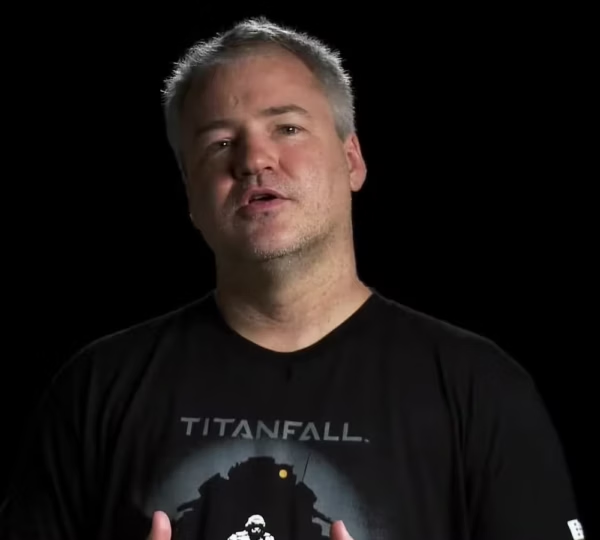
Respawn Entertainment, the studio Zampella co‑founded after leaving Infinity Ward, also expressed its heartbreak: “We’re heartbroken by the passing of our founder and dear friend Vince Zampella.
Vince was a titan and legend of this industry, a visionary leader and a force who shaped games like Call of Duty, Titanfall, Apex Legends, the Star Wars Jedi series, and Battlefield in ways that will be felt for generations.”
Other leading voices in gaming echoed these sentiments. Hideo Kojima, creator of Metal Gear Solid, described his long acquaintance with Zampella and lamented the loss as “far too soon” for the visionary.
Ed Boon, co‑creator of Mortal Kombat, called it “an unbelievable loss.” Geoff Keighley, founder and host of The Game Awards, praised Zampella’s dedication to prioritizing players and creativity.
A Career That Helped Define a Genre
Zampella’s influence on video games began in the mid‑1990s and grew rapidly as he helped advance the first‑person shooter (FPS) genre.
Early in his career, he worked in the games industry at publisher GameTek and later at SegaSoft, where he met future collaborator Jason West.
Together, they became lead designers on Medal of Honor: Allied Assault (2002), a World War II shooter that brought cinematic action to gaming audiences and foreshadowed their future success.
In 2002, Zampella and West co‑founded Infinity Ward along with Grant Collier.
Their mission was bold: build a better, more immersive military shooter that could rival the Medal of Honor series.
The result was Call of Duty (2003), which debuted to critical acclaim and quickly became a cornerstone of the FPS genre.
Under Zampella’s leadership, Infinity Ward released several landmark Call of Duty titles, including Call of Duty 4: Modern Warfare (2007) and its sequel.
These titles shifted the franchise’s setting from historical battlefields into modern combat scenarios, broadening its appeal and redefining multiplayer shooters.

Today, Call of Duty stands as one of the most successful entertainment franchises in history.
With more than 500 million copies sold worldwide since 2003, it ranks just behind cultural icons like Mario and Tetris in global video game sales.
The series also boasts tens of millions of active players monthly and has generated tens of billions of dollars in revenue.
In October 2025, the franchise took another step into mainstream culture with the announcement that filmmaker Taylor Sheridan will direct a live‑action Call of Duty movie for Paramount Pictures — a testament to the brand’s cultural reach and enduring popularity.
Respawn Entertainment and Continued Innovation
In 2010, after legal disputes with Activision — the publisher of Call of Duty — Zampella and West departed Infinity Ward, later founding Respawn Entertainment. Respawn quickly established itself as a creative force in its own right.
Respawn’s first major title, Titanfall (2014), introduced fluid movement and mech‑based combat that influenced subsequent shooter design.
Its sequel, Titanfall 2 (2016), expanded on those ideas with strong single‑player storytelling.
Respawn’s Apex Legends (2019) became a global phenomenon, reshaping the battle royale genre with its character‑driven gameplay and competitive design.
The studio also pushed into narrative action‑adventure with Star Wars Jedi: Fallen Order (2019) and Star Wars Jedi: Survivor (2023), both widely praised for cinematic storytelling within the iconic Star Wars universe.
In 2017, Electronic Arts acquired Respawn, bringing Zampella’s vision into one of the industry’s largest publishing ecosystems.
His role continued to evolve, and in 2021 EA appointed Zampella to lead its Battlefield franchise — another major military shooter series.

Under his oversight, Battlefield 6 (2025) returned the franchise to critical and commercial success, demonstrating his enduring ability to guide large‑scale projects.
Impact Beyond Games
Zampella’s influence was not limited to bestselling titles or commercial success. Because of his leadership and creative drive, he helped shape the careers of countless developers and inspired millions of players around the world.
Industry tributes highlight Zampella’s role in fostering creative environments where bold ideas could thrive, as well as his emphasis on balancing player experience with innovation.
For many players, his games were more than entertainment — they served as the backdrop for friendships, communities, and shared experiences.
On internet forums and social platforms, fans expressed personal connections to the worlds he helped build, recounting late‑night play sessions, memories made with friends, and careers inspired by his work.
Zampella is survived by his three children, and tributes from peers, players, and colleagues alike reflect a deep admiration for both his professional achievements and his personal character.
Legacy and Future Projects
Despite his untimely death, parts of Zampella’s legacy continue to unfold.
The upcoming Call of Duty film, in development with Paramount, highlights how games he helped create are branching into new forms of storytelling and reaching wider audiences.
Meanwhile, the franchises he shepherded — Call of Duty, Apex Legends, Titanfall, Star Wars Jedi, and Battlefield — remain cornerstones of contemporary gaming, with active communities, esports competitions, and ongoing development.
Each of these series reflects a blend of technical innovation, player‑centered design, and narrative depth that Zampella championed throughout his career.
Remembering a Visionary
Vince Zampella’s passing is a profound loss for the gaming community, his family, and the entertainment world at large.
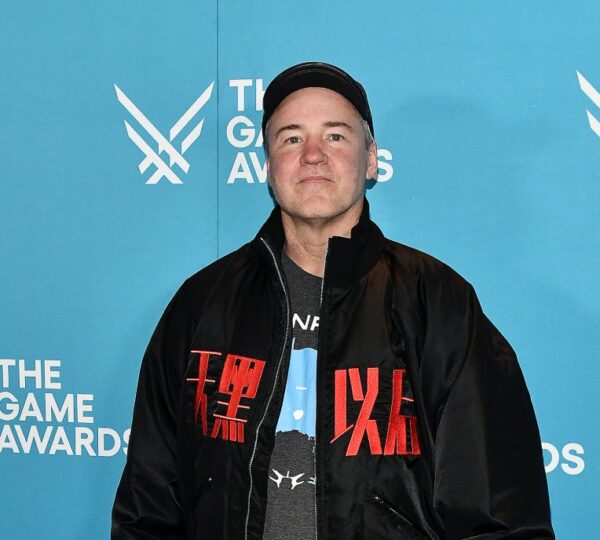
His work not only defined major franchises but also influenced how games are made and experienced across genres and platforms.
As tributes continue to pour in from developers, industry leaders, and players alike, one theme stands out: Zampella’s legacy was not just about the games he created, but about the people he inspired — teammates, fans, and fellow creators — all of whom benefited from his commitment to innovation, creativity, and community.
In an industry defined by innovation and evolution, Vince Zampella was more than a creative force — he was a visionary whose work helped shape the interactive experiences that define modern gaming.
His influence will be felt for generations to come.
The video game industry has been rocked by the sudden death of one of its most influential creators. Vince Zampella, co‑creator of the Call of Duty franchise and long‑time leader at multiple major studios.
Died on December 21, 2025, at the age of 55. His passing was confirmed by his employer, Electronic Arts (EA), in a heartfelt statement describing the loss as.
“Unimaginable” and praising his profound impact on the video game medium. Zampella’s career spanned nearly three decades and played a central role in shaping modern interactive entertainment.
From the early days of first‑person shooters to today’s blockbuster global franchises, his influence was far‑reaching, both in the games that players loved and in the way games are developed across the industry.
Tragic Accident on Angeles Crest Highway
According to multiple news reports, Zampella was killed in a single‑vehicle accident on Angeles Crest Highway, a scenic but winding road in the San Gabriel Mountains north of Los Angeles.
The California Highway Patrol reported that a 2026 Ferrari 296 GTS he was driving veered off the roadway shortly after exiting a tunnel and collided with a concrete barrier.
The car then caught fire. Zampella died at the scene from injuries sustained in the crash, and a passenger in the vehicle was later pronounced dead at a hospital.
At the time of publication, authorities had not publicly disclosed whether alcohol, drugs, speed, or other factors contributed to the accident.
The identities of Zampella’s passenger have not been confirmed, and investigators are continuing to review the circumstances of the collision.
EA’s Statement and Tributes from the Industry
In a public statement, EA emphasized Zampella’s legacy and the deep sorrow felt by colleagues, players, and developers around the world.
“This is an unimaginable loss,” the company said. “Our hearts are with Vince’s family, his loved ones, and all those touched by his work.”
EA added that Zampella’s influence was “profound and far‑reaching,” and that he was remembered not only as a visionary creator but also as “a friend, colleague, leader and visionary creator” whose work helped define how games are made and enjoyed.
Tributes immediately poured in from across the games industry. Infinity Ward, co‑founded by Zampella, honored him on social media with the message:
“Rest in peace Vince. As one of the founders of Infinity Ward and Call of Duty, you will always have a special place in our history. Your legacy of creating iconic, lasting entertainment is immeasurable.”
Respawn Entertainment, the studio Zampella co‑founded after leaving Infinity Ward, also expressed its heartbreak: “We’re heartbroken by the passing of our founder and dear friend Vince Zampella.
Vince was a titan and legend of this industry, a visionary leader and a force who shaped games like Call of Duty, Titanfall, Apex Legends, the Star Wars Jedi series, and Battlefield in ways that will be felt for generations.”
Other leading voices in gaming echoed these sentiments. Hideo Kojima, creator of Metal Gear Solid, described his long acquaintance with Zampella and lamented the loss as “far too soon” for the visionary.
Ed Boon, co‑creator of Mortal Kombat, called it “an unbelievable loss.” Geoff Keighley, founder and host of The Game Awards, praised Zampella’s dedication to prioritizing players and creativity.
A Career That Helped Define a Genre
Zampella’s influence on video games began in the mid‑1990s and grew rapidly as he helped advance the first‑person shooter (FPS) genre.
Early in his career, he worked in the games industry at publisher GameTek and later at SegaSoft, where he met future collaborator Jason West.
Together, they became lead designers on Medal of Honor: Allied Assault (2002), a World War II shooter that brought cinematic action to gaming audiences and foreshadowed their future success.
In 2002, Zampella and West co‑founded Infinity Ward along with Grant Collier.
Their mission was bold: build a better, more immersive military shooter that could rival the Medal of Honor series.
The result was Call of Duty (2003), which debuted to critical acclaim and quickly became a cornerstone of the FPS genre.
Under Zampella’s leadership, Infinity Ward released several landmark Call of Duty titles, including Call of Duty 4: Modern Warfare (2007) and its sequel.
These titles shifted the franchise’s setting from historical battlefields into modern combat scenarios, broadening its appeal and redefining multiplayer shooters.
Today, Call of Duty stands as one of the most successful entertainment franchises in history.
With more than 500 million copies sold worldwide since 2003, it ranks just behind cultural icons like Mario and Tetris in global video game sales.
The series also boasts tens of millions of active players monthly and has generated tens of billions of dollars in revenue.
In October 2025, the franchise took another step into mainstream culture with the announcement that filmmaker Taylor Sheridan will direct a live‑action Call of Duty movie for Paramount Pictures — a testament to the brand’s cultural reach and enduring popularity.
Respawn Entertainment and Continued Innovation
In 2010, after legal disputes with Activision — the publisher of Call of Duty — Zampella and West departed Infinity Ward, later founding Respawn Entertainment. Respawn quickly established itself as a creative force in its own right.
Respawn’s first major title, Titanfall (2014), introduced fluid movement and mech‑based combat that influenced subsequent shooter design.
Its sequel, Titanfall 2 (2016), expanded on those ideas with strong single‑player storytelling.
Respawn’s Apex Legends (2019) became a global phenomenon, reshaping the battle royale genre with its character‑driven gameplay and competitive design.
The studio also pushed into narrative action‑adventure with Star Wars Jedi: Fallen Order (2019) and Star Wars Jedi: Survivor (2023), both widely praised for cinematic storytelling within the iconic Star Wars universe.
In 2017, Electronic Arts acquired Respawn, bringing Zampella’s vision into one of the industry’s largest publishing ecosystems.
His role continued to evolve, and in 2021 EA appointed Zampella to lead its Battlefield franchise — another major military shooter series.
Under his oversight, Battlefield 6 (2025) returned the franchise to critical and commercial success, demonstrating his enduring ability to guide large‑scale projects.
Impact Beyond Games
Zampella’s influence was not limited to bestselling titles or commercial success. Because of his leadership and creative drive, he helped shape the careers of countless developers and inspired millions of players around the world.
Industry tributes highlight Zampella’s role in fostering creative environments where bold ideas could thrive, as well as his emphasis on balancing player experience with innovation.
For many players, his games were more than entertainment — they served as the backdrop for friendships, communities, and shared experiences.
On internet forums and social platforms, fans expressed personal connections to the worlds he helped build, recounting late‑night play sessions, memories made with friends, and careers inspired by his work.
Zampella is survived by his three children, and tributes from peers, players, and colleagues alike reflect a deep admiration for both his professional achievements and his personal character.
Legacy and Future Projects
Despite his untimely death, parts of Zampella’s legacy continue to unfold.
The upcoming Call of Duty film, in development with Paramount, highlights how games he helped create are branching into new forms of storytelling and reaching wider audiences.
Meanwhile, the franchises he shepherded — Call of Duty, Apex Legends, Titanfall, Star Wars Jedi, and Battlefield — remain cornerstones of contemporary gaming, with active communities, esports competitions, and ongoing development.
Each of these series reflects a blend of technical innovation, player‑centered design, and narrative depth that Zampella championed throughout his career.
Remembering a Visionary
Vince Zampella’s passing is a profound loss for the gaming community, his family, and the entertainment world at large.
His work not only defined major franchises but also influenced how games are made and experienced across genres and platforms.
As tributes continue to pour in from developers, industry leaders, and players alike, one theme stands out: Zampella’s legacy was not just about the games he created, but about the people he inspired — teammates, fans, and fellow creators — all of whom benefited from his commitment to innovation, creativity, and community.
In an industry defined by innovation and evolution, Vince Zampella was more than a creative force — he was a visionary whose work helped shape the interactive experiences that define modern gaming.
His influence will be felt for generations to come.