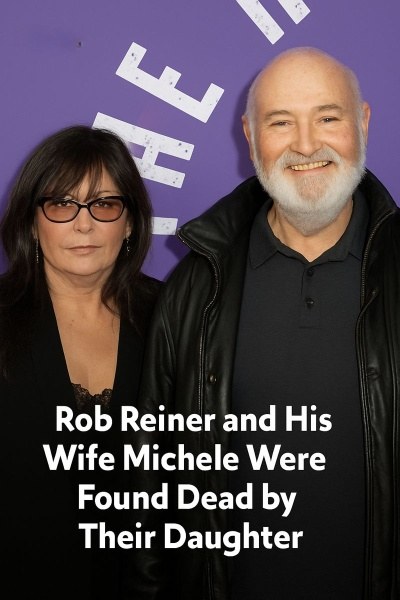
The sanctity of the Brentwood family home, long associated with the enduring creative genius of Rob Reiner, was irrevocably violated by a tragedy whose details are almost too painful to comprehend. Emergency calls reporting the horrific incident were logged around 3:30 p.m. on that devastating Sunday afternoon, yet sources indicate that the bodies of the legendary Hollywood director and his wife, Michele Singer Reiner, were already cold, suggesting the crime occurred hours earlier. The quiet Los Angeles residence, a symbol of professional success and comfortable living, had become the scene of a double murder, and in a development that shatters the national consciousness, exclusive sources allege the perpetrator to be the couple’s own son, Nick Reiner.
This horrific event rips away the comforting illusion that wealth, fame, and success can insulate even the most prominent families from private torment. To the outside world—to neighbors in the affluent Southern California enclave, to fans who adored his films, and to colleagues in the motion picture industry—Rob Reiner was known simply as a celebrated filmmaker, a devoted husband, and a proud father. The public narrative of his life focused on masterpieces like The Princess Bride and A Few Good Men. Yet, behind the carefully curated walls of the multi-million dollar real estate, lay a decades-long struggle with the devastating impact of Nick’s crippling battles against substance addiction and periods of homelessness.
The Reiner family’s deeply personal pain was not entirely hidden from the public record. In a poignant, heartbreaking attempt to transform their private struggle into public art and awareness, Rob and Nick collaborated on the semi-autobiographical film Being Charlie. This project openly explored Nick’s harrowing journey through rehabilitation centers and relapses, turning the family’s torment into a powerful statement on addiction recovery. This creative effort, intended perhaps as a form of catharsis and an offering of help to others, now stands as a tragic monument to the love and immense effort the parents invested in trying to save their son. The question that haunts the ongoing criminal investigation and the public consciousness is brutally simple: somewhere, somehow, despite all that love and all that effort, something snapped, violently and irrevocably, severing the bond forever.
The tragic discovery was made by the Reiners’ daughter, Romy Reiner, whose own movements mere hours before the tragedy—including a simple, supportive social media post for her father’s films—have been painfully documented. First responders, entering the scene on that December afternoon, encountered a sight they will not soon forget: two parents brutally taken, and a family story violently severed. Romy now bears a grief that is almost impossible to articulate—she is mourning not only the loss of her mother and her world-famous father but also the devastating, irreversible loss of her brother, who is now the prime suspect accused of committing the heinous act. This multi-layered personal devastation adds an unparalleled level of sorrow to an already shocking homicide case.
As the Los Angeles Police Department’s Robbery-Homicide Division continues its meticulous investigation, including analysis of any digital evidence and the collection of forensic data, the case transcends the typical parameters of a high-profile celebrity crime. It has become a painful allegory about the limits of parental love and the ravages of substance abuse—a theme that tragically mirrors the plot of many a dark drama, yet plays out in the unforgiving glare of reality. The case is a tragedy with no easy villains and, more acutely, no true resolution that can restore what was lost. All that remains is the cold, agonizing echo of what might have been if the decades of searching for help, for treatment, and for recovery had somehow, finally, been enough. The arrest of Nick Reiner and the deaths of his parents will forever be entwined in a narrative of fame, failure, and unimaginable loss in the heart of Hollywood.