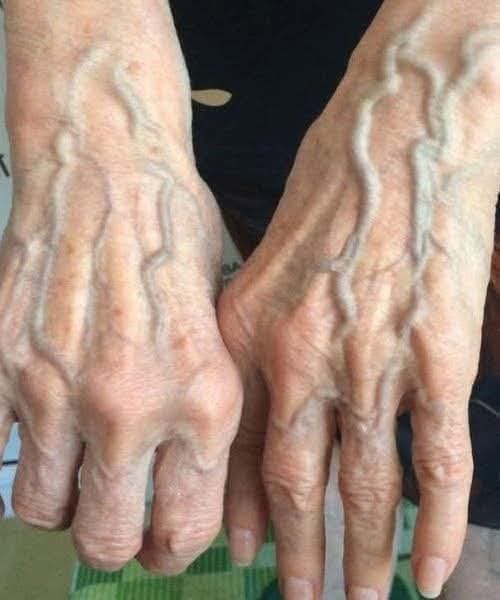
When your veins start to pop, it’s not always a sign of trouble — it’s often your body’s natural response to fitness, temperature, or time. Low body fat, regular exercise, and muscle growth push veins closer to the skin, creating that defined “vascular” look athletes often showcase. Heat and hydration also play their part, expanding blood vessels and boosting circulation.
As skin thins with age or due to genetics, veins can appear even more pronounced. Most of the time, it’s completely normal — a reflection of lifestyle and physiology. But if veins suddenly swell, ache, or change color, it’s your cue to check in with a doctor rather than just the mirror.
Not all popping veins are bad news. For many people—especially athletes or anyone with low body fat—prominent veins on the hands, arms, or legs just reflect strong circulation, thin skin, and aging. If they’ve been there forever and don’t hurt, they’re usually harmless.
What deserves a closer look are veins that seem to show up out of nowhere, look bulgy or twisted, or come with new symptoms. That can point to problems in the valves that help push blood back to the heart. When those valves weaken (a condition called chronic venous insufficiency), blood pools in the legs and veins stretch. Over time that can cause swelling, aching, skin changes, or even sores that don’t heal well.
Varicose veins are another common culprit. They often look ropey and raised and can make your legs feel heavy or sore, especially after a long day on your feet. Sometimes they’re mostly cosmetic; severe or painful cases deserve a medical check.
A must-not-miss issue is deep vein thrombosis, a blood clot deep in the leg. That’s typically a sudden, one-sided problem—swelling, pain, warmth, and redness in a calf or thigh. A clot can travel to the lungs and become life-threatening, so new calf pain with swelling is a same-day, call-your-doctor situation.
Hormones, pregnancy, and jobs that keep you standing still for hours can all make veins more visible by boosting pressure in the leg veins. The good news: movement helps. Regular walking, elevating your legs when you can, and wearing compression stockings often reduce pooling and discomfort.
Very rarely, noticeable vein changes go along with bigger issues like heart strain or liver disease. If enlarged veins show up fast or come with symptoms such as leg swelling, skin discoloration, fatigue, chest pain, shortness of breath, or unexplained weight changes, it’s smart to get checked.
A quick guide to act on:
-
Long-standing, painless, prominent veins and no other symptoms: usually benign.
-
New bulging or twisted veins, leg heaviness or swelling, or skin changes: book a routine evaluation.
-
Sudden one-sided leg swelling/pain/warmth/redness, chest pain, or shortness of breath: seek urgent care.
Small habits go a long way—move regularly, avoid long stretches of sitting or standing still, maintain a healthy weight, elevate your legs in the evening, and consider compression socks if you’re on your feet all day. And if something about your veins changes quickly or just feels off, a clinician can sort out what’s cosmetic and what needs attention.
(This is general information, not medical advice. If you’re concerned about your symptoms, see a healthcare professional.)