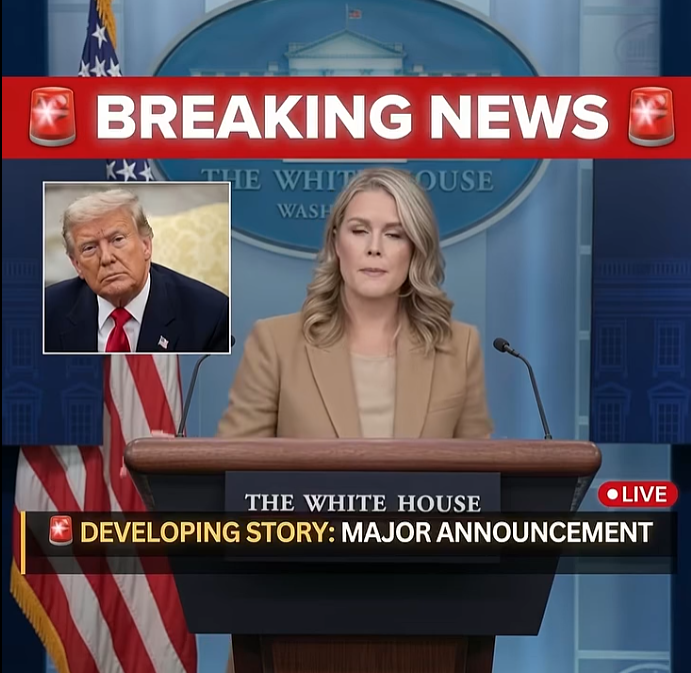
Karoline Leavitt defended the Trump White House by arguing that the media applied different standards to the Trump and Biden administrations. She claimed that President Joe Biden’s limited interactions with reporters should have received greater scrutiny instead of being accepted as normal. According to Leavitt, the lack of frequent press conferences and unscripted interviews reduced opportunities for public accountability.
Leavitt argued that the media failed to question Biden’s approach, saying that “a president who rarely faced tough, unscripted questions was normalized as cautious rather than inaccessible.” She suggested that reporters were too willing to accept limited access to the president and did not challenge the administration as aggressively as they should have.
She also described President Donald Trump’s media strategy as an effort to broaden public access rather than restrict it. According to Leavitt, reducing the influence of a small group of major news organizations creates room for more voices to participate. She argued that expanding access to digital outlets, regional media, and organizations with different political viewpoints gives Americans a wider range of perspectives on the presidency.
Responding to critics who warned that these changes could increase government influence over the press, Leavitt rejected that argument. She said “the administration is widening the lens on the presidency rather than narrowing it,” insisting that greater diversity among reporters leads to more transparency. In her view, broader media participation provides a more complete picture of government actions.
Leavitt concluded by arguing that “true control looked more like the quiet, comfortable distance Biden kept from the cameras.” Her comments reflect the ongoing debate over media access, transparency, and the relationship between the White House and the press. Supporters view the approach as expanding opportunities for different voices, while critics continue to question whether the changes improve accountability or simply reshape how presidential coverage is managed.