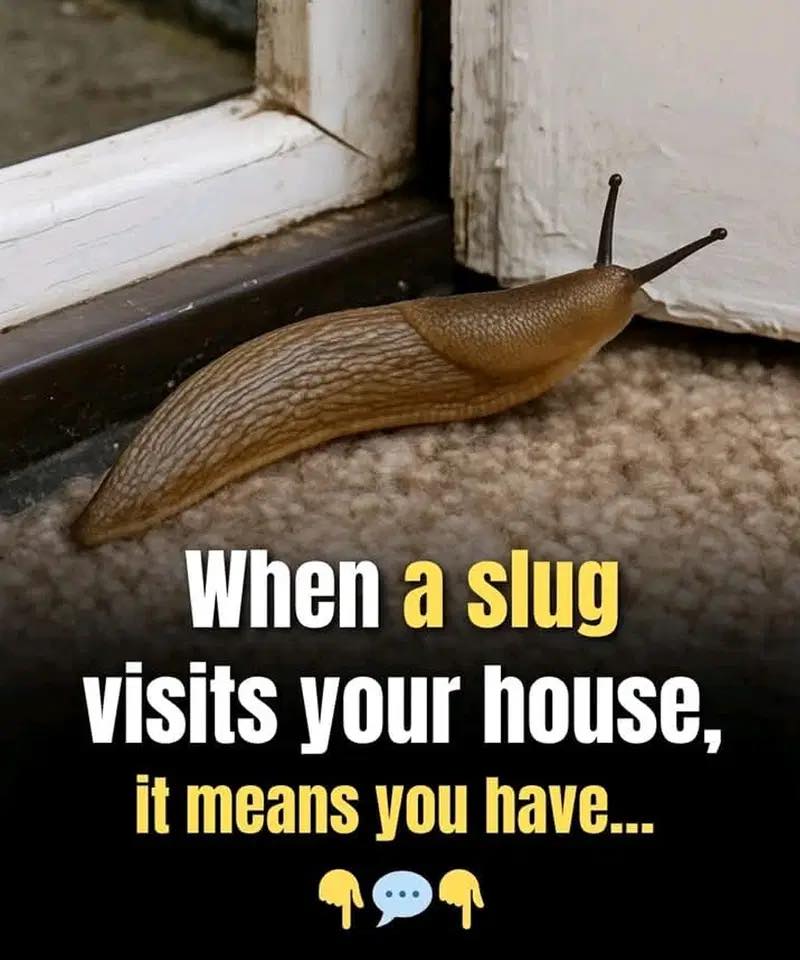
Slugs are probably not the first creatures people think of when imagining nature’s unsung heroes. Most see them as slimy pests that appear after heavy rain or mysteriously crawl into homes overnight. Yet beneath that slippery appearance is a surprisingly remarkable animal that plays a valuable role in both the environment and scientific research.
From improving soil quality to inspiring skincare developments and even helping scientists study the human brain, slugs contribute far more to the world than most people realize.
Nature’s Quiet Recyclers
One of the slug’s most important contributions happens silently in the soil. These slow-moving mollusks feed on decaying plants, fungi, and other organic material, helping break it down naturally.
By consuming dead matter, slugs return nutrients to the earth, enriching the soil and supporting healthy plant growth. Without creatures like slugs working continuously behind the scenes, ecosystems would struggle to stay balanced and productive.
They may move slowly, but their impact on the environment is constant and significant.
A Key Link in the Food Chain
Although slugs are rarely admired, they serve as an essential food source for many animals. Birds, frogs, toads, beetles, and hedgehogs all depend on slugs as part of their diet.
Because of this, slugs play an important role in maintaining the balance of nature. If they disappeared, many other species would be affected as well. Even the common garden slug helps keep ecosystems connected and functioning properly.
So the next time you notice one in your yard, remember that for another creature, that slug may be an important meal.
The Unexpected Power of Slug Slime
One of the most surprising things about slugs is the growing scientific interest in their slime.
The mucus slugs leave behind contains compounds believed to have antibacterial, anti-inflammatory, and regenerative properties. Researchers are studying whether slug slime could someday assist with wound healing and skin repair.
The beauty industry has also shown curiosity about its potential. Much like snail mucin used in Korean skincare products, slug slime contains substances such as antioxidants and hyaluronic acid that may help moisturize and protect the skin.
It may sound unusual, but the slug crawling across your garden today could help inspire future skincare innovations.
Helping Scientists Understand the Brain
Believe it or not, slugs are also useful in neuroscience research.
Because their nervous systems are relatively simple, scientists can study them to better understand how memory and learning work. Research involving slugs has contributed to broader discoveries about how the brain stores and retrieves information.
Despite their simple biology, these tiny creatures continue to provide insights that may help researchers better understand the human mind.
Why Slugs Enter Homes
If you keep finding slugs indoors, there are usually a few simple reasons why they are attracted to your house.
Moisture
Slugs love damp environments. Humid rooms, wet floors, condensation, or leaking pipes can easily attract them.
Nearby Plants
Gardens, flowerbeds, and overgrown vegetation near your home provide easy access to food.
Dark Shelter
Slugs prefer hidden spaces. Piles of leaves, wood, stones, or outdoor clutter near entrances can create ideal hiding places.
Warmth
During cool nights, slugs sometimes move indoors searching for warmth and moisture.
Reducing dampness, clearing outdoor clutter, and sealing small gaps around doors and windows can help discourage them from entering.
More Valuable Than Most People Think
Slugs may not be beautiful or popular, but they are far from useless.
They help enrich the soil, support wildlife, contribute to scientific discoveries, and may even influence future medical and skincare advancements. That is an impressive contribution for a creature so often ignored.
So the next time you see a slug gliding across a sidewalk or through your garden, take a moment to appreciate the quiet but important role it plays in the natural world.
Sometimes the creatures people underestimate the most turn out to be the most fascinating.
