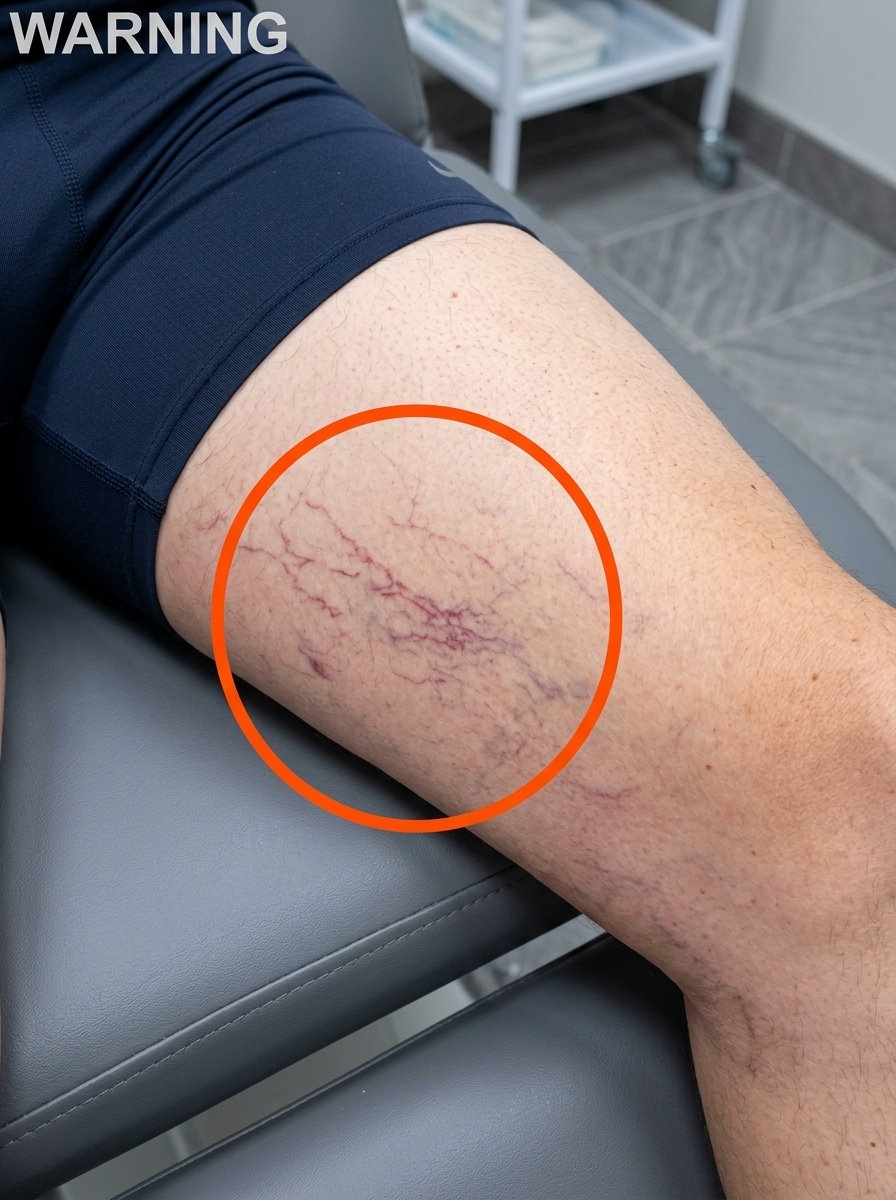
Understanding the causes and management of purple veins in the legs is an important step in maintaining vascular health. These visible vein patterns, often referred to as spider veins or reticular veins, are common and develop due to a combination of physiological and lifestyle factors.
Genetics is one of the primary drivers behind the appearance of these veins. If your parents or close relatives have had issues with vein health, you may have inherited structural vulnerabilities in your blood vessel walls that make them more prone to becoming visible.
Lifestyle habits also play a significant role. A sedentary lifestyle, characterized by sitting or standing for prolonged periods, creates challenges for proper blood circulation. When the legs remain in one position for too long, blood can struggle to flow efficiently back to the heart, leading to pooling and increased pressure within the veins. Over time, this pressure causes the small vessels beneath the skin to dilate and become discolored.
Excess weight is another critical factor. Carrying additional weight imposes constant, increased pressure on the veins in the lower extremities. This burden can weaken the delicate valves inside the veins, which are responsible for keeping blood flowing in the right direction. When these valves fail to function correctly, they contribute to the further development of visible veins.
While medical interventions are available for those bothered by the cosmetic appearance of these veins, prevention and lifestyle management are the most effective first steps. Regular movement to improve circulation, maintaining a healthy weight to reduce venous pressure, and consulting with a healthcare professional about appropriate vascular care can help manage the condition and prevent further progression.