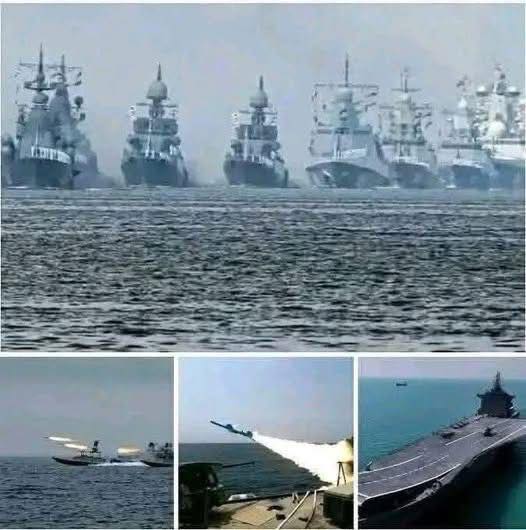
The rumors circulating through digital channels sound like a nightmare realized. Across every major social media feed, headlines scream that the United States has officially entered a new war, igniting a wildfire of panic, political rage, and widespread confusion. In an era where information travels at the speed of a click, the narrative of an immediate, catastrophic conflict has taken hold of the public consciousness. However, behind the deafening noise of viral alarms, a far quieter and more intricate reality is unfolding—one constructed not of battlefield declarations, but of tense diplomacy, calculated military posturing, and high-stakes negotiations.
Beneath the sensationalism, the United States is currently navigating a world defined by simmering regional conflicts while meticulously avoiding the threshold of a formally declared war. The current landscape of global security is less about a sudden explosion of violence and more about a delicate balancing act designed to prevent total escalation. While the headlines suggest a direct plunge into combat, the mechanical reality of American foreign policy remains rooted in containment and indirect influence.
In Ukraine, Washington’s strategy continues to be channeled through a rigorous framework of logistical support, economic sanctions, and constant back-channel communications rather than direct kinetic engagement. The presence of the U.S. is felt through the transfer of technology and intelligence, yet the line between support and participation remains a primary focus for the administration. Furthermore, the existence of trilateral discussions involving Russia and Ukraine in the UAE, alongside indirect negotiations with Iran in Oman, serves as a powerful reminder that even the most bitter rivals are still opting for meeting rooms over trenches. These diplomatic corridors prove that, despite the aggressive rhetoric played out for domestic audiences, the primary actors are still choosing tables over tanks.