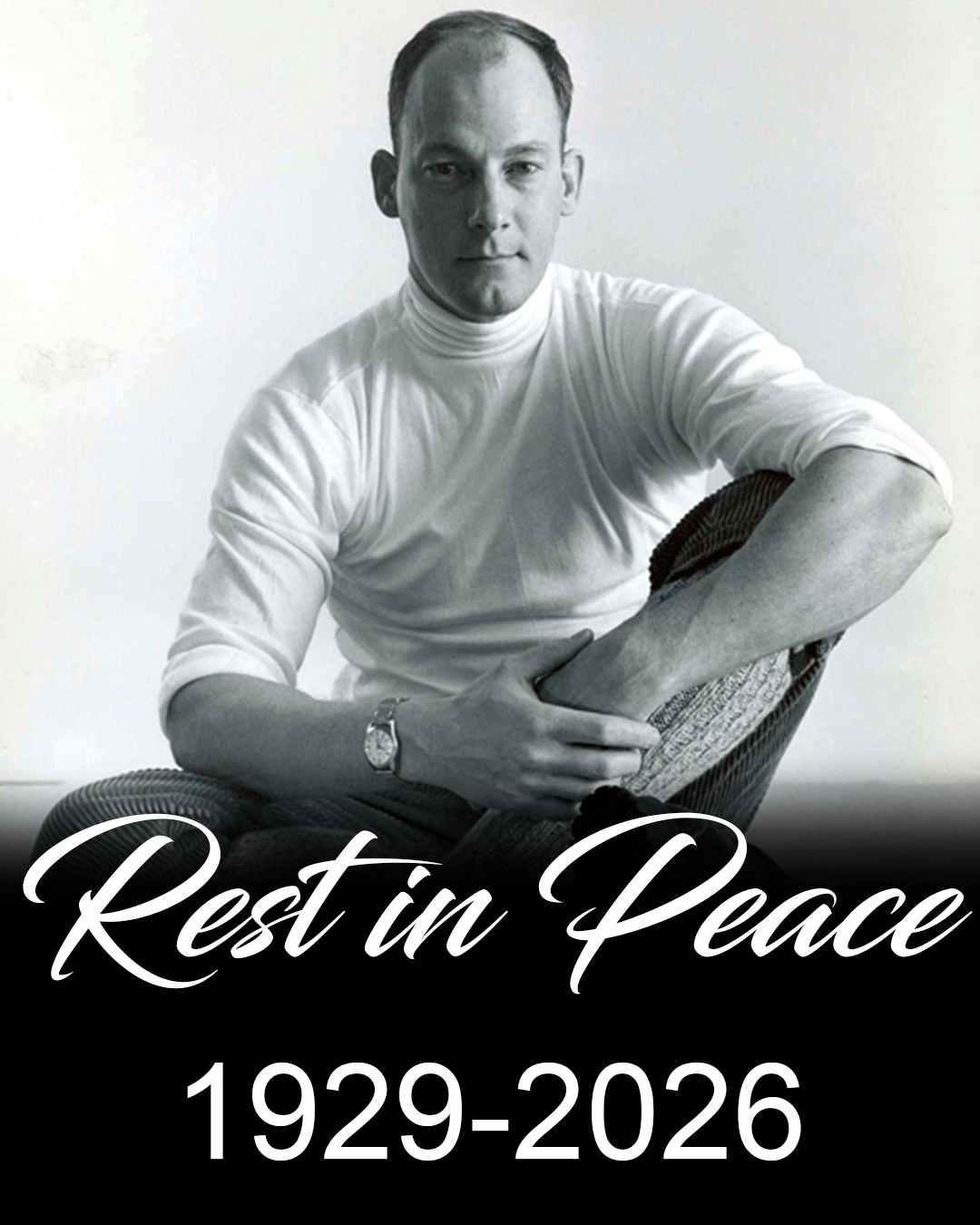
The world has said goodbye to one of the great figures of modern adventure. Jim Whittaker, the first American to stand atop Mount Everest, has died at the age of 97.
He passed away peacefully at his home in Port Townsend, far from the spotlight that once followed him, in a life that remained grounded despite the history he helped shape.
His family shared a tribute that reflected the man he was—quiet, generous, and deeply connected to the natural world:
“Whether at home, in the mountains, or at sea, he sought to share adventure, joy, and optimism with those around him. His warmth, humility, and belief in the power of nature to bring people together left an enduring legacy of care for our planet and for one another.”
Born in Seattle, Whittaker discovered climbing early, often alongside his twin brother Lou. What began as a shared passion in the Pacific Northwest would eventually lead him to one of the most defining moments in American mountaineering history.
In 1963, just ten years after the first successful ascent of Everest, Whittaker reached the summit as part of an American expedition. The achievement carried significance far beyond the climb itself—it marked a turning point that helped ignite widespread interest in mountaineering across the United States.
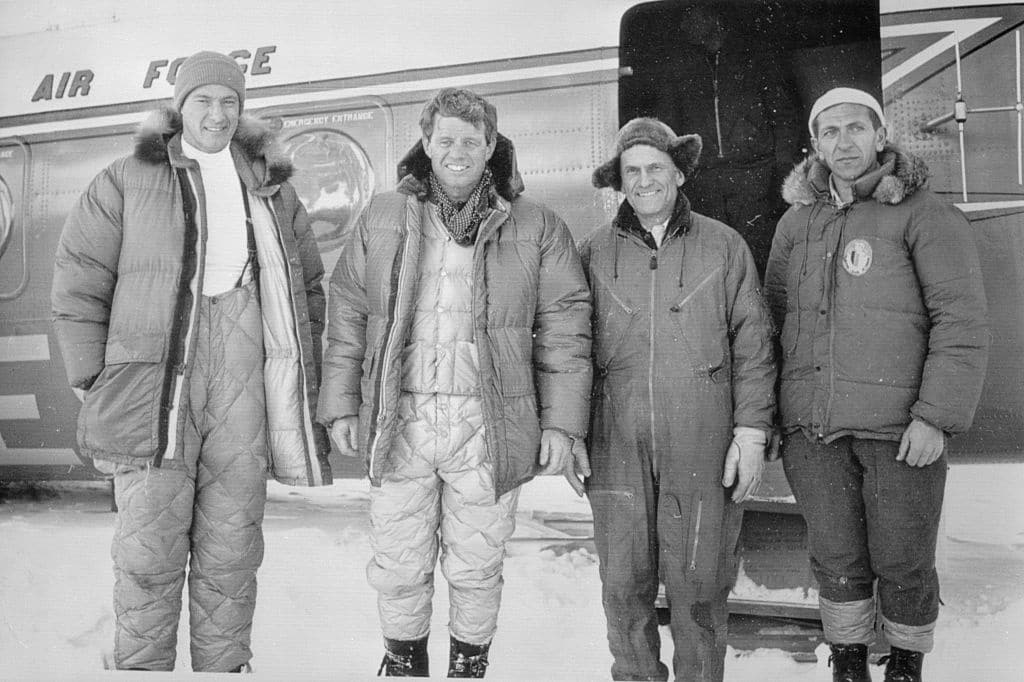
Yet, for all the recognition that followed, fame never seemed to define him.
Instead, Whittaker focused on building something lasting. He played a key role in growing REI from a modest co-op into a nationally recognized outdoor retailer, helping make exploration more accessible to everyday people. Long before environmental protection became a global priority, he also advocated for preserving wild spaces, using his influence to support conservation efforts across the country.
His family described him not just as an adventurer, but as someone who believed deeply in connection—across cultures, across differences, and across borders.
“Jim was a lifelong advocate for peace and believed deeply in the ability of shared challenges in the natural world to unite people across borders and ideologies.”
One of the most meaningful chapters of his life came years after Everest. In 1981, he led a group of disabled climbers up Mount Rainier. He later reflected on that experience with characteristic simplicity, saying that for those climbers, the mountain they conquered was every bit as significant as Everest.
That perspective captured something essential about him—an understanding that achievement is not measured only in height or difficulty, but in what it means to the person making the climb.
Despite a life filled with extraordinary moments, Whittaker’s personal wish for the end was strikingly simple:
“die in my sleep with the television on.”
It was a quiet, human sentiment from a man who had stood in some of the most extreme places on Earth.
He is survived by his wife of more than five decades, along with his children and grandchildren. But his legacy reaches far beyond family or records.
Jim Whittaker did more than reach the summit of the world’s highest mountain.
He expanded what people believed was possible—and reminded them that the greatest journeys are often the ones that bring others along.