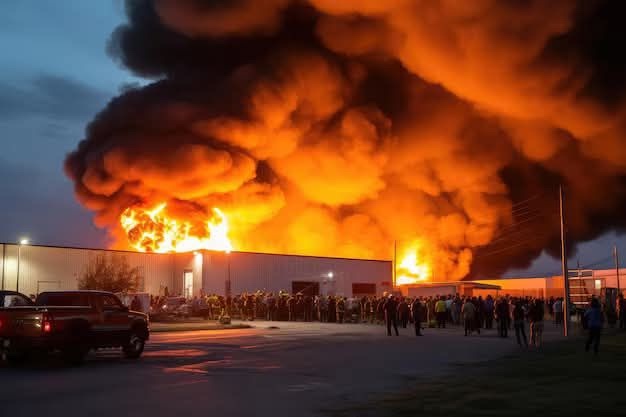
The quiet of a Saturday afternoon in the Pamplona Alta sector of San Juan de Miraflores was shattered by a catastrophic blaze that has left a community in mourning and hundreds of families searching for a path forward. What began as a localized incident quickly escalated into a territorial disaster, as a massive fire tore through the densely packed residential blocks of this Lima district. Early estimates from local authorities and emergency responders suggest a staggering scale of destruction, with reports indicating that between 100 and 300 homes have been either severely damaged or entirely reduced to ash.
The speed with which the fire traveled was fueled by a perfect storm of environmental and structural factors. In this part of San Juan de Miraflores, many residences are constructed from highly flammable, improvised materials like wood, plastic, and scrap metal. These structures, built in tight proximity to one another along narrow hillside corridors, acted as a tinderbox. Witnesses described a wall of fire that seemed to jump from roof to roof, outpacing the initial efforts of residents to douse the flames with buckets of water. By the time the first units from the local fire departments arrived, the smoke column was visible across a significant portion of the city, signaling a crisis of immense proportions.
Compounding the tragedy was a secondary, more volatile element hidden within the neighborhood. Firefighters on the scene reported that the blaze eventually reached what appeared to be a clandestine pyrotechnics workshop. The resulting explosions, captured in harrowing footage by neighbors on their mobile phones, sent sparks and debris flying into adjacent homes, effectively accelerating the fire’s spread and creating a perimeter that was too dangerous for civilians to approach. Investigators are currently focusing on this illicit fireworks operation as the primary point of origin, though a formal determination is still pending as forensic teams comb through the smoldering ruins.