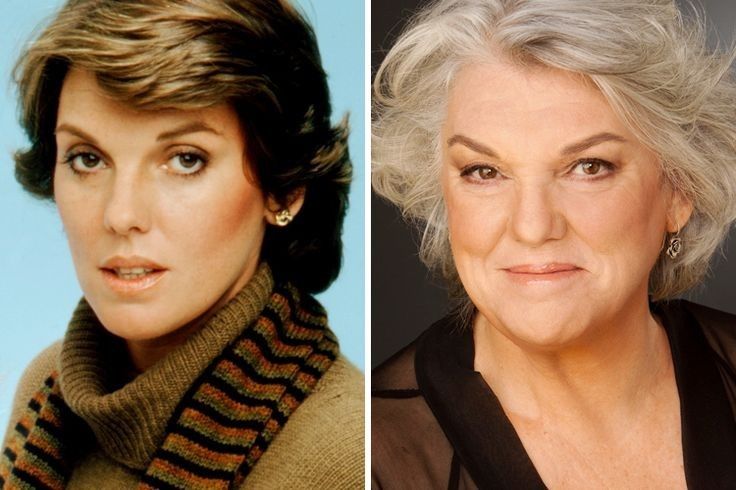
 Tyne Daly on Cagney & Lacey: The Grit Behind the Badge
In the early 1980s, television had never really seen women like Mary Beth Lacey. And that’s because Tyne Daly refused to play a fantasy.
 No Lipstick While Chasing Suspects
Tyne Daly knew that real female police officers weren’t showing up in perfect makeup and tailored skirts. When the network wanted a more “palatable” image of a woman cop, she pushed back hard.
She insisted on:
No makeup in intense scenes.
Visible sweat, exhaustion, and anger.
A realistic balance of motherhood and career stress.
Clothes that actual policewomen would wear—not Hollywood’s version.
When executives pushed for glam, Daly drew a hard line:
“If I can’t tell the truth about this woman, I won’t do it.”
They backed off. And the result? A groundbreaking portrayal of working-class womanhood that resonated deeply.
 The Impact:
4 Emmys for her role.
Countless women writing in to say: “That’s the first time I saw myself on screen.”
Helped pave the way for later female leads in dramas—without forcing them into narrow ideals of beauty or behavior.