
I ended up in hospital after the first time I had sex

My knuckles were white as I gripped the hospital bed rail.
Then tears slipped down my face as my best friend and a nurse held my legs apart, while another nurse inserted gauze into my vagina to try and stop the bleeding.
Everyone always says you’ll remember the first time you have sex, but I’d thought it would be because of how awkward it would be. My first time featured a blood-stained bed, carpet, bathtub and three different hospital rooms.
So after my disastrous first time, I want to make sure others don’t have to go through the same thing – and that starts with this cautionary tale and a call for better sex education for all.
I was in my late teens when I first had sex with a boy I was dating at the time.
On that fateful day, he’d booked a hotel room but it never even crossed my mind that I’d lose my virginity. Needless to say, I was completely unprepared for it.
Even before we got to the room, I was nervous to the point of feeling nauseous. He made me feel too anxious and jittery. I didn’t know how to behave or what to even say around him – I felt awkward.
As we got down to it, there was no foreplay for me and he didn’t touch me anywhere other than my chest. Looking back, I should’ve seen this could cause issues.
It felt like a piercing pain when he put it in and I remember thinking that something was wrong, but I didn’t know what. He asked if I was on my period and I said no.
At the sight of the blood, panic flooded my system – I felt scared and anxious. It looked completely different to period blood, in the sense that it was more fresh and looked like it was never-ending.
He asked: ‘Why are you bleeding so much?’
I didn’t know the answer. I felt shaken.
There was pain and there was blood, but the blood made the room look like a crime scene. It spilled everywhere in a gushing waterfall, staining through the bedspread and into the mattress, down the sides of the bed frame and onto the carpet.
After the bleeding started and we stopped having sex, I started using sanitary pads to try to stop the bleeding. When I got through six of them, I decided to call 111 and they asked if the sex was consensual and to describe the events that led up to it.
They told me to go to the nearest walk-in centre. At this point, I’d nearly fainted once and felt dizzy, like my entire body was experiencing pins and needles. My mouth was so dry. All I could think was that my family would kill me.
We went to the local walk-in centre – where they told me I had to go to A&E, I almost passed out, breaking my phone screen when it slipped out of my hand, as they didn’t have the equipment to find out what was wrong.
I ended up telling a nurse that I didn’t want my parents knowing I’d had sex because I wasn’t supposed to be having it
On the way there, alone, I nearly fainted again in the Uber – the driver had to pull over and get me a packet of cereal bars and a bottle of water, which helped. While in the waiting room, I’d managed to contact my best friend and by the time I’d been taken into one of the wards for serious injuries, she’d arrived.
When I arrived at A&E – about an hour and a half after the bleeding first started – I saw two gynaecologists and a revolving door of nurses – all women. One of the medical staff told me that if the bleeding didn’t stop by the next day, I would have to go into surgery.
‘You have a tear on both your vaginal walls,’ someone said to me after using a cystoscope to try to figure out what was wrong. They said it could’ve happened because the penetration was too rough or even because I wasn’t ready or turned on. After that, they all settled on using gauze to stop the bleeding.
By this point, I’d been bleeding for more than three hours and soaked through more than 10 sanitary pads even when two were used together. I find it oddly hilarious that I hadn’t got a drop of blood on my jeans.
One of the nurses helped me put on a pair of disposable maternity-style briefs and on the end of the bed, I spotted the red and black silk and lace thong I’d bought specially from Ann Summers. Fat lot of good it’s done me, I thought.
I felt everything from panic and shock to amusement at everything that was unfolding. I ended up telling a nurse that I didn’t want my parents knowing I’d had sex because I wasn’t supposed to be having it.
I had my mother’s words ringing in my ears that I shouldn’t be having sex because it’s a taboo in our South Asian culture. We’re taught never to do it with anyone because it’s all boys – or men – want and once they get it, they leave.
‘They’ll make you all these promises,’ my mum told me in Bangla when I was 15. ‘They will tell you they love you or will marry you, so you have sex with them. But once you do, they will break every promise and leave.’
I went to sleep that night in the hospital feeling sick and frustrated. I also hadn’t been able to keep any food down and I couldn’t sleep either.
Every two to three hours, a nurse would check my blood pressure, do a blood test and take my temperature. I also had a catheter attached, which was extremely uncomfortable.
The next day in hospital, I spoke to a gynaecologist and told her I never want to have sex again. She laughed and said this isn’t how sex was supposed to be. ‘When you’re ready, it’ll be so much better,’ she assured me. I felt wary but nodded anyway.
It is important for young women to understand that first time sex is definitely not meant to be inherently painful and not everyone bleeds
I ended up staying in the hospital for two nights and the bleeding stopped the day after I was admitted – some time after eating lunch and throwing up a few times.
That night, they took the gauze out, which hurt almost as much as when they put it in. I was discharged the next day but because I’d told my parents I was staying at a friend’s house, I just went home and couldn’t really talk about it with them – or anyone in the family.
In conversations with friends afterwards, one of them told me that the first time she had sex, all she felt was just wetness everywhere and that it hurt. Another friend told me her first time really hurt too and she cried.
In a lot of ways, this experience taught me about the importance of foreplay and being turned on and of feeling comfortable during sex. It is really important to feel comfortable, relaxed and aroused, otherwise the whole thing can be an utter disaster.
A survey of over 3,000 women showed that one-third were not ready for their first time having sex, and 22% said they wish they waited. Sadly, over 51% of these women said their first time having sex hurt, and half said they were really nervous or scared beforehand.
There needs to be a lot more discussion around sex – especially first time sex – and the pressures attached to it, particularly for young girls. A lot of schools focus on abstinence and using protection to prevent STIs instead of using a pleasure-led sex education, which is hugely necessary for teens hitting puberty and exploring their sexuality.
Had this been the case, I think I would’ve felt a lot more comfortable and been able to know my own body better. I would’ve felt confident enough to tell him what to do or what I liked, instead of thinking that sex was more for him and his pleasure or that first time sex was tied up with pain.
It is important for young women to understand that first time sex is definitely not meant to be inherently painful and not everyone bleeds.
I did because I believe I wasn’t properly comfortable or aroused. I was too in my head, anxious and nervous.
For a whole year, I didn’t have sex with anyone because I wanted to let my body heal and let myself get over him completely.
The second time I had sex it genuinely felt like it was the first time – but instead of it being painful, it felt more like an uncomfortable stretching, like a muscle that’s never been used before actually being used.
Sex now is a billion times better. Instead of being something that fills me with trepidation and nerves, it makes me happy and is exciting.
If I could go back and give my younger self some advice, I’d tell her not to do it with that guy and to wait until she was completely ready.
Far too often, us girls go through the motions and put someone else above our own desires or wants, when really we have to be selfish enough to demand our pleasure and have our needs met.
Men who suck their wives’ vaginas are more…See more
The mansion’s marble gleamed in the morning sun, reflecting a flawless radiance. But that day, the true brilliance was hidden in a corner of the kitchen, wrapped in a worn blanket: little Marisol, the daughter of the housekeeper Anna.
Anna trembled as she scrubbed the countertops, not from exhaustion—which was already immense—but from fear. Marisol shouldn’t be there. Bringing children to work was forbidden in the house, and she knew it. But that day she had no other choice. With no neighbors to help, no money for a babysitter, and a guilty conscience for leaving her daughter alone in the small apartment, Anna made the hardest decision: to hide her there, hoping the day would pass without her being discovered.
The mansion where she worked belonged to Adrien Devou, a millionaire known as much for his success as for his coldness. He was the kind of man who valued punctuality, silence, and perfection. One mistake, one slip-up, and you were out. Anna knew that if Adrien found Marisol there, she’d be fired on the spot.
She prayed that the baby wouldn’t cry, wouldn’t move, wouldn’t attract attention. But fate often likes to test those who already carry the weight of the world on their shoulders.
In the middle of the cleaning routine, a soft sound broke the silence: a light, sweet laugh. Anna turned around in a panic and saw Marisol sitting, fidgeting with her hands, bathed in sunlight streaming through the window. She rushed to shush her, but before she could pick her up, firm footsteps echoed down the hall. Adrien was arriving.
He entered the kitchen as usual—impeccably dressed, a tablet in one hand, adjusting his watch with the other. But when he saw the little girl, he stopped. His cold eyes narrowed. Anna froze. She tried to explain, but the words wouldn’t come. She expected shouting, being fired, maybe even humiliation.
But none of that happened.
Adrien approached slowly, crouched down beside Marisol—even though his expensive suit nearly touched the floor—and looked into the little girl’s eyes. She giggled and held out her tiny hand. Silently, he offered her his finger. The baby grasped it tightly. And then, something no one expected: a small, shy smile appeared on the face of the man everyone thought was made of stone.

From that moment on, something changed.
In the following days, Adrien began to observe more closely. He saw how Anna worked exhaustedly, tirelessly, often without eating, always with her daughter nearby. He saw how Marisol’s face lit up when she heard her mother humming as she cleaned. And little by little, he began to get closer.
He brought toys. Then, small snacks. And finally, he himself sat on the floor with the girl, between meetings. The mansion, once silent and cold, began to resonate with laughter and small footsteps.
Employees whispered in the hallways, unable to believe the change. The feared man, who never showed emotion, now seemed like a different person. But Anna still carried the guilt. The fear of having crossed a line. The shame of her situation. And the constant doubt: how long would this kindness last?
One day, while feeding Marisol in the garden, Adrien watched her from a distance. Her hair was haphazardly tied up, her apron stained, but her eyes… her eyes overflowed with love. And in that instant, he remembered something he had buried: the pain of losing his pregnant wife years before. A grief he had stifled with work, goals, and silence.
The connection between them ceased to be that of employer and employee. It was something more human. He began to ask her about her life. He learned of the tragedy that had taken Anna’s husband when Marisol was still a newborn. He learned that she had no one else. And, above all, he saw in her a quiet strength, a courage that deeply moved him.
But the real turning point came when, one morning, Anna didn’t show up. Hours later, a neighbor reported that she had collapsed from exhaustion on her way to work. Adrien rushed to the small health center where she lay, weak, with Marisol asleep beside her.
There, witnessing that scene, Adrien understood. No mother should have to choose between her job and her child’s well-being. No one should have to sacrifice themselves to the point of collapse just to survive.
The next morning, Anna returned to the mansion fearing the worst. But she received an unexpected welcome.
With Marisol in his arms, Adrien gathered all the staff and made an announcement that shocked everyone: Anna would no longer be just an employee. She would have a permanent home in the mansion, financial support to raise Marisol with dignity, the freedom to work only if she wanted—and, above all, respect.
Anna wept. She tried to express her gratitude, but the words wouldn’t come. For the first time, she felt seen. Not as the employee. Not as the poor woman. But as a person. A mother. A warrior.
And when Marisol, in the businessman’s arms, extended her hand as she had on that first day, everyone knew: that house had changed forever.
Adrien’s mansion ceased to be just a luxurious building. It became a home. And Adrien, once remembered for his coldness, came to be recognized for something much more valuable: his compassion.
Because sometimes, the most powerful gesture doesn’t come from the pocket — it comes from the heart.
Women’s who have a vag…See more

As we grow older, our bodies undergo continuous changes, many of which happen gradually and may not be immediately noticeable. Even if you’re still getting carded when you buy a glass of wine, your body could be experiencing subtle aging processes you might not recognize at first. This is certainly true for the vagina and vulva — a cherished part of our anatomy that we don’t always receive comprehensive education about.
Vaginal wash products
While schools tend to prepare us for puberty, explaining that we’ll begin growing pubic hair and start menstruating, the conversation often stops there. After that, we’re mostly left to figure out the rest on our own. But don’t worry, we’ve got you covered. We spoke with several OB-GYNs about how your vagina and vulva change over time. (Spoiler alert: It’s more than you might expect.)
1. The Vagina of Women in Their 20s to 30s

During this period, a woman’s vagina typically faces challenges related to sexual activity, contraception, pregnancy, and childbirth.
Vaginal Changes:
At this stage, the color and texture of the vulva and vaginal area may be affected by genetic factors and hormonal levels. Pubic hair fully develops during these years, and the vaginal walls are generally firm and elastic. The skin around the area is thicker compared to earlier years, and many women experience optimal vaginal health during this time.
Childbirth:
The pelvic floor is at its strongest in this age range, making it a favorable time for pregnancy and childbirth. Women in their 20s and 30s often have fewer complications during labor.
Sexual Activity:
Some women may experience vaginal dryness, particularly if using certain contraceptives. It’s essential to carefully manage the frequency of sexual activity and consider hydration and lubrication when needed to ensure comfort.
2. From Age 30 to 40: The Importance of Pelvic Floor Exercises
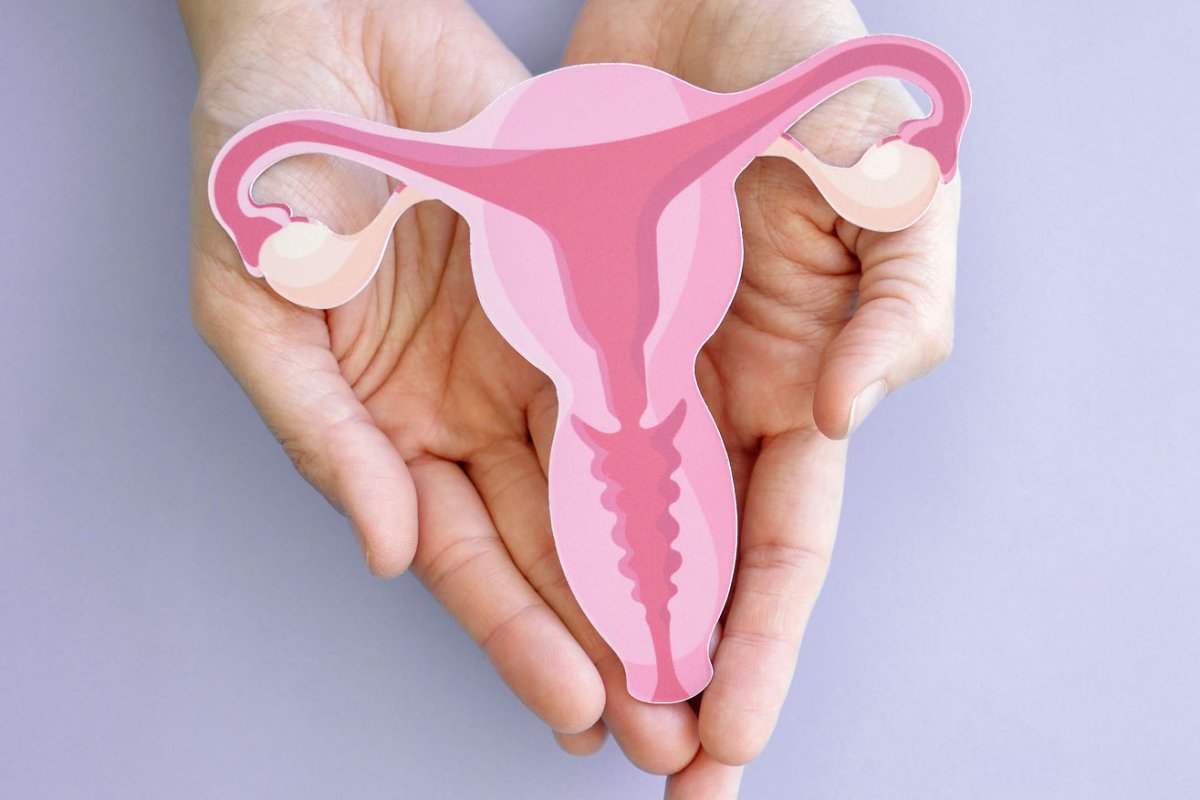
As modern society has led many women to delay pregnancy and childbirth until after 30, this age group presents unique challenges for pelvic health.
Vaginal Changes:
The pigmentation of the vulvar area may change over time, and it can become darker in some cases. The skin and muscles around the vagina remain relatively elastic but may begin to show signs of aging. Pubic hair may also become finer.
Childbirth:
By age 30, pelvic floor health may begin to decline. The muscles that support the bladder, uterus, and bowels can weaken, leading to issues like urinary incontinence or a feeling of heaviness. These changes may be more pronounced after childbirth, requiring extra care during recovery. Pelvic floor exercises, such as Kegel exercises, are highly recommended to strengthen these muscles.
Sexual Activity:
While libido doesn’t necessarily decrease in your 30s, external factors like work, family responsibilities, and stress can affect desire. For women who are breastfeeding, hormonal changes can lead to vaginal dryness, making sexual activity potentially uncomfortable. Regular pelvic exercises can help maintain comfort.
3. How Does the Vagina Change Between Ages 40 and 50?

Most women will begin to experience perimenopause during their 40s, which is the stage leading up to menopause. The changes that occur during this period significantly impact the vagina and overall reproductive health.
Vaginal Changes:
During perimenopause, women may experience fluctuations in estrogen levels, leading to symptoms like vaginal dryness and thinning of the skin. The vulvar area may also become paler, and pubic hair might thin or turn gray. As collagen production decreases, vaginal elasticity may reduce, and some women notice a decrease in natural lubrication during sexual activity.
Childbirth:
Pregnancy and childbirth in the 40s can place significant strain on the pelvic floor muscles. This may lead to an increased risk of pelvic organ prolapse or other pelvic issues. Maintaining a consistent routine of pelvic exercises is important to keep the pelvic muscles strong and functional.
Sexual Activity:
Vaginal dryness becomes more pronounced in this age range due to lower estrogen levels. It is advisable to use lubricants during sexual activity to reduce discomfort. Additionally, pelvic floor exercises can help alleviate some of the discomfort that may come with vaginal dryness and vaginal atrophy.
4. The Vagina of Postmenopausal Women Over 50

After age 50, most women enter menopause, which marks the end of the reproductive years. This brings about a series of changes that affect vaginal health.
Vaginal Changes:
Postmenopausal women may experience vaginal atrophy, where the vaginal walls shrink and become thinner due to the significant drop in estrogen levels. This leads to reduced lubrication and a more fragile vaginal environment. The vulvar area may also become drier and paler, and pubic hair may be sparse.
Childbirth:
Pregnancy at this stage is quite rare and often comes with significant risks. For women who may be experiencing menopause symptoms, pregnancy could lead to complications, such as pelvic organ prolapse.
Sexual Activity:
With significantly lower estrogen levels, vaginal lubrication is minimal, and intercourse may cause discomfort due to vaginal dryness. It’s important for women to use lubricants and engage in extended foreplay to make sexual activity more comfortable. In addition, it is crucial to continue practicing pelvic floor exercises to support overall vaginal health.
Conclusion: Understanding Vaginal Health at Every Stage of Life
As women age, their vaginal health changes in response to hormonal fluctuations, life events, and natural aging. Understanding these changes can help women maintain good health, make informed decisions about contraception and sexual health, and seek appropriate care when necessary.
It is vital to adopt a healthy lifestyle and incorporate pelvic exercises, such as Kegel exercises, to support pelvic floor health at every stage of life. By doing so, women can manage the changes in their body effectively and continue to lead active, fulfilling lives.