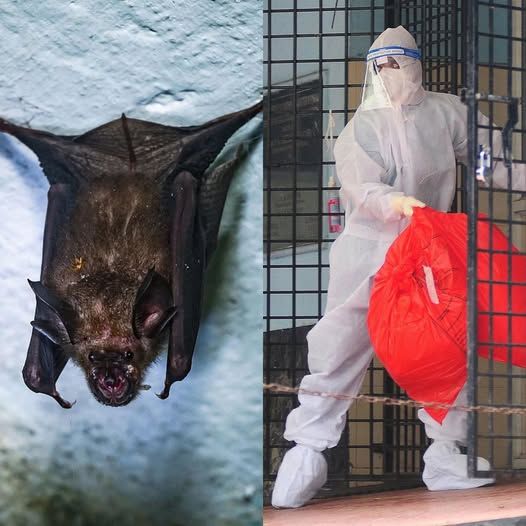
What Is Nipah Virus?
-
Nipah virus is a zoonotic virus — meaning it spreads from animals (especially fruit bats) to humans — and can also be passed between people through close contact. It can cause severe respiratory illness and inflammation of the brain (encephalitis).
-
There is currently no approved cure or vaccine, and treatment is limited to supportive care.
Fatality Risk
-
The virus has a high case fatality rate, historically between about 40% and 75% in outbreaks, depending on the strain and health system response.
-
Some outbreaks have seen especially high death rates, which is why Nipah is classified as a high-risk pathogen by the World Health Organization.
Current Situation in India
-
Health authorities in West Bengal state have recently confirmed cases connected to the virus, including infections among healthcare workers.
-
Nearly 200 people identified as close contacts are being monitored, and dozens are under quarantine.
-
Hospitals have isolated cases, and public health measures are underway to contain spread.
Global Response and Monitoring
-
Some countries in Asia have reinstated COVID-style screening at airports for travellers from affected regions, though this is a precautionary measure rather than a guarantee of spread.
-
Experts stress that Nipah does not spread as easily as respiratory viruses like COVID-19, and widespread outbreaks remain rare.
Symptoms and Transmission
-
Typical symptoms can start like a severe flu — fever, headache, muscle aches, and respiratory issues — and progress rapidly to neurological problems such as seizures or coma in severe cases.
-
The virus is most often transmitted through contact with infected bats (especially bat urine or saliva on fruit), contaminated food, or close contact with infected people.