Moles are common clusters of pigmented skin cells and are usually harmless when they remain stable in size, shape, and color. Most people have them, and the majority never cause problems. However, changes in a mole or the appearance of new, unusual spots can sometimes signal melanoma, a serious but highly treatable form of skin cancer when detected early. Dermatologists use the ABCDE rule to evaluate risk: asymmetry, irregular borders, multiple colors, diameter larger than a pencil eraser, and evolving appearance over time.
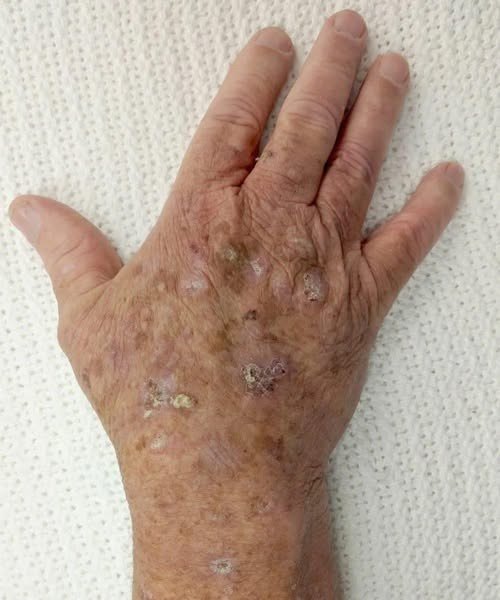
Not all concerning skin changes look like moles. Sun-related damage can cause rough or scaly patches that may develop into skin cancer if untreated. Other warning signs include pearly bumps, firm red nodules, sores that bleed or crust, or spots that don’t heal. Some benign growths can mimic cancer, which is why professional evaluation is essential rather than self-diagnosis.
Monthly self-checks help you notice changes early, while regular dermatologist visits provide extra protection—especially for those with heavy sun exposure or family history. Using sunscreen, avoiding tanning beds, and wearing protective clothing can greatly reduce risk. Skin care isn’t about fear—it’s about awareness and early action.