-
-
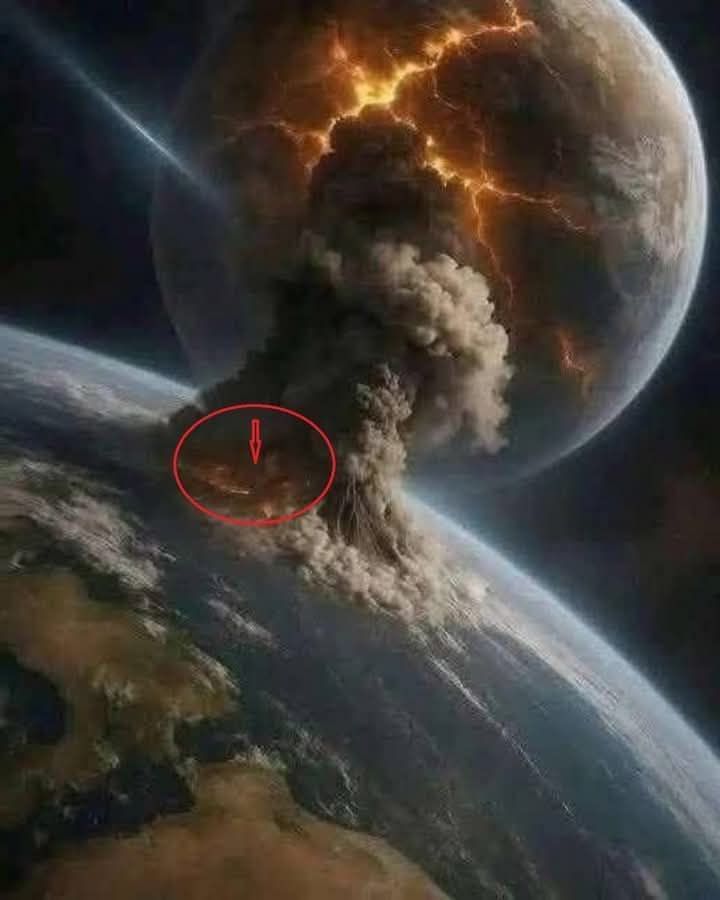
A recent online post has suggested that a “major Earth event” will begin on DEC 27, written in a tone designed to generate urgency and fear. The message does not specify what will happen, who made the prediction, or what data supports it. It simply implies a global phenomenon is imminent.

Such claims spread quickly because they exploit human curiosity and concern about natural disasters, cosmic events, and planetary changes. However, when examined scientifically, predictions of sudden global events tied to an exact calendar date have no credible foundation.
This detailed scientific explanation breaks down how the Earth actually works, how space agencies monitor our planet, and why credible predictions follow strict rules that the viral claim does not meet.
The Scientific Method vs. Viral Speculation
How Real Scientific Predictions Work
Scientific predictions are based on:
-
-
-
Measurable data
-
Observational evidence
-
Mathematical models
-
Peer review
-
Transparency
-
-
For an event to be predicted with certainty, scientists must observe:
-
-
-
A measurable trend or signal
-
A known mechanism that causes the event
-
A repeatable model showing when and how it will occur
-
-
Example:
Meteorologists can predict storms because atmospheric motions follow measurable patterns.However, the Earth does not experience sudden global changes tied to hidden signals or “energy shifts.” There is no scientific model that can predict a single global event beginning on a specific date.
Why Earth Doesn’t Suddenly Change on Predicted Dates
To understand why date-specific predictions fail, we need to examine Earth systems:
1. Tectonic Activity Cannot Be Predicted by Day
Earthquakes occur along tectonic plate boundaries as energy builds up and releases.
Scientists can determine:-
-
-
Which areas are high-risk
-
Which faults are active
-
The long-term probability of earthquakes
-
-
But they cannot determine:
-
-
-
Exact dates
-
Exact magnitudes
-
Exact locations
-
Multi-region global triggers
-
-
Studies from the USGS confirm that no scientific method exists to predict earthquakes with date-level precision.
Why?
Tectonic pressure does not build uniformly, and each fault responds differently. There is no synchronized global “switch” that could activate multiple events on a specific date.
2. Volcanic Eruptions Have Warning Signs
Volcanoes typically show:
-
-
-
Gas emissions
-
Tremor activity
-
Surface deformation
-
Heat increases
-
-
But even with these signals, scientists cannot predict exact dates.
There is no global volcanic cycle that produces simultaneous eruptions.The idea of a “planetwide event” beginning on a single day has no connection to how volcanoes function.
3. Solar Activity Is Not Date-Predictable
Solar flares and coronal mass ejections can impact:
-
-
-
Communication systems
-
Satellites
-
GPS
-
Power grids
-
-
But solar activity follows an 11-year cycle, not a precise calendar schedule.
Key facts:
-
-
-
Solar events cannot be predicted months in advance
-
NASA monitors the Sun continuously
-
No anomalies have been reported for November 27
-
Solar storms do not cause global planetary changes
-
-
Thus, any claim that a solar phenomenon will “start on November 27” has no scientific basis.
4. Planetary Alignments Have No Physical Impact on Earth
Every few years, planets appear close together in the sky.
This is purely visual.Gravitational effects from planets on Earth are nearly zero, nowhere near enough to cause:
-
-
-
Natural disasters
-
Atmospheric shifts
-
Earth rotation changes
-
-
Physics confirms that planetary alignments cannot trigger Earth events of any scale.
5. Earth’s Magnetic Field Does Not Flip Overnight
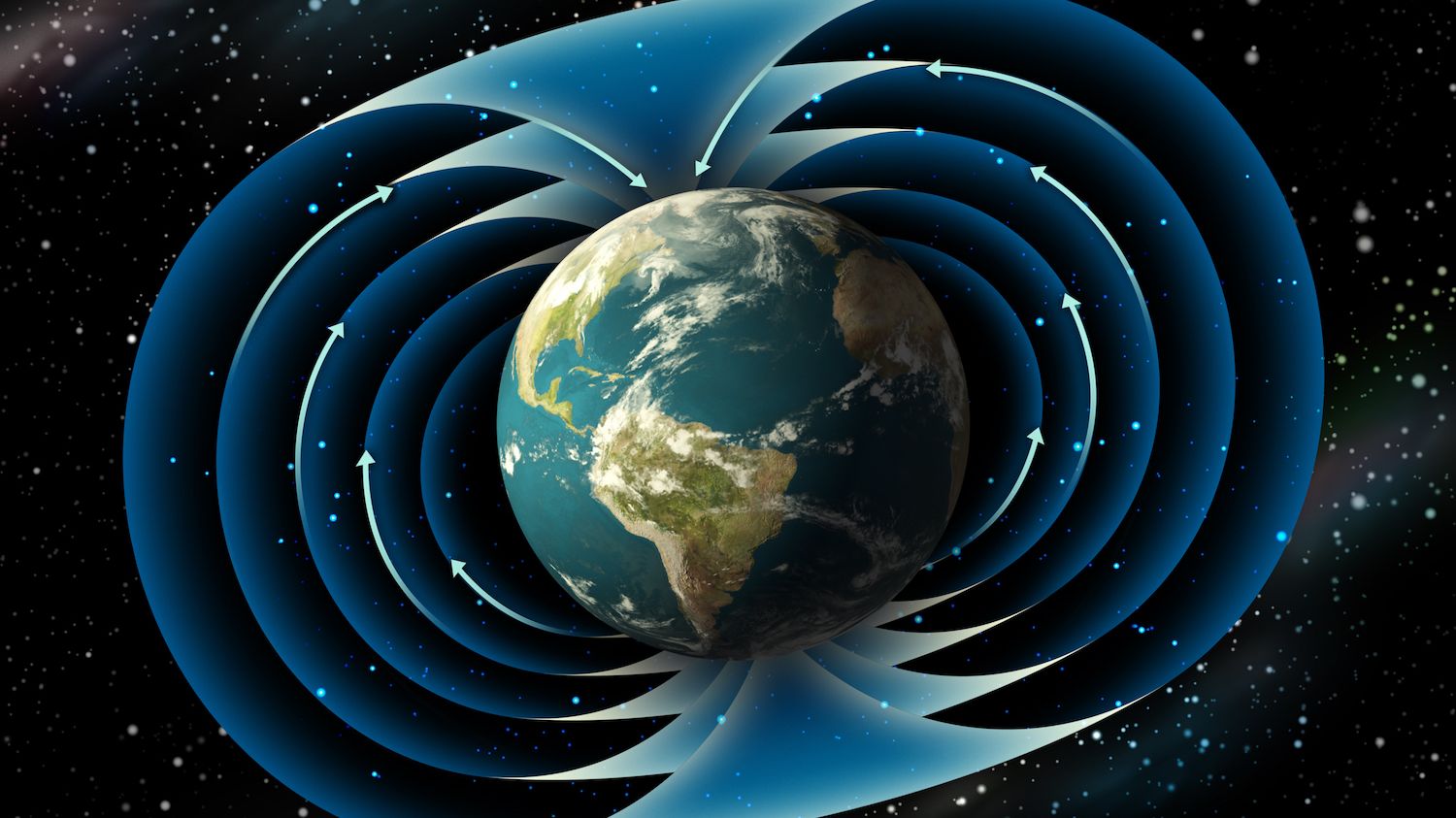
Magnetic pole shifts (reversals) are real but:
-
-
-
They take thousands of years
-
They don’t happen suddenly
-
They don’t cause global destruction
-
They are not tied to specific dates
-
-
Satellite monitoring shows no unusual magnetic anomalies.
6. Climate Patterns Do Not Change Abruptly
Weather systems evolve following atmospheric dynamics:
-
-
-
Air masses
-
Jet streams
-
Ocean temperatures
-
Seasonal cycles
-
-
These systems cannot produce a single global event that “begins” on a certain date.
Climate change is real, but it is gradual, not instantaneous.The Psychological Side: Why People Believe Date-Based Predictions
Understanding why such claims spread helps debunk them:
1. Humans Seek Patterns
When information is vague and frightening, the mind fills in the blanks.
Ambiguous warnings trigger anxiety because the brain is wired to avoid threats.2. Viral posts use fear-based tactics
These include:
-
-
-
Dramatic wording
-
Lack of scientific details
-
Claims of hidden knowledge
-
Artificial urgency (“on this date…”)
-
Mysterious sources
-
-
3. The illusion of authority
Some posts fabricate scientific terms or reference imaginary organizations to appear credible.
4. Repetition increases believability
The more people share the claim, the more “true” it feels — even with no evidence.
How Real Scientists Monitor the Earth
Multiple global institutions collect data every second:
NASA – solar activity, radiation, near-Earth objects
ESA – space weather, asteroid tracking
NOAA – atmospheric and oceanic conditions
USGS – tectonics, earthquakes, volcanoes
JMA / EMSC – seismic and geophysical monitoring
WMO – global climate patterns
International Space Weather Network – radiation storms
If any significant anomaly existed, these agencies would:
-
-
-
Issue global alerts
-
Publish peer-reviewed reports
-
Appear in major media
-
Notify governments
-
-
No such alerts exist for November 27 or any similar date.
The Dangers of Viral Misinformation
While the viral claim may seem harmless, misinformation about Earth sciences can cause:
-
-
-
Anxiety
-
Misunderstanding of real risks
-
Panic-based behavior
-
Distrust in legitimate scientific warnings
-
-
For example, if people see countless false warnings about earthquakes, they may ignore legitimate safety information when a real alert is issued.
How to Evaluate Any Future “Doomsday” or “Global Event” Claims
Checklist for identifying misinformation:
1. Does the claim cite a real scientific institution?
If not, it should be dismissed immediately.
2. Does the institution confirm the event?
NASA, ESA, NOAA, USGS would always publish alerts.
3. Does the explanation violate known physics?
If yes, it’s false.
4. Is the language sensational or vague?
“Big event,” “something will begin,” “they say,” “more than 10”…
These phrases are red flags.5. Does it mention a precise date?
Science rarely predicts exact dates except for:
-
-
-
Eclipses
-
Planetary transits
-
Seasonal changes
-
-
None of these are dangerous.
6. Are credible news outlets reporting it?
If major scientific outlets aren’t covering it, the claim isn’t real.
Conclusion: There Is No Global Event Beginning on November 27
The viral message lacks:
-
-
-
Scientific basis
-
Verifiable data
-
Identifiable sources
-
Observable phenomena
-
Support from any scientific institution
-
-
Earth does not behave in ways that match date-based predictions found online.
Real scientists continue to monitor our planet continuously, and if anything significant were truly expected, it would be publicly announced through transparent, verifiable channels.As of now — and based on all known scientific evidence — no global event is expected on the date mentioned in the viral post.
Staying informed, checking credible sources, and approaching sensational claims with critical thinking remain the best tools for understanding our planet.
Sources
-
-
NASA Heliophysics & Space Weather Division
-
NOAA Space Weather Prediction Center
-
USGS Earthquake Hazards Program
-
European Space Agency – Planetary Science
-
World Meteorological Organization (WMO) Climate Bulletins
-
Peer-reviewed studies on misinformation and digital cognition
-
Geological Society research on tectonic unpredictability
-
-
-
HT15. BREAKING NEWS confirms that DEC 27th the Earth will begin to…