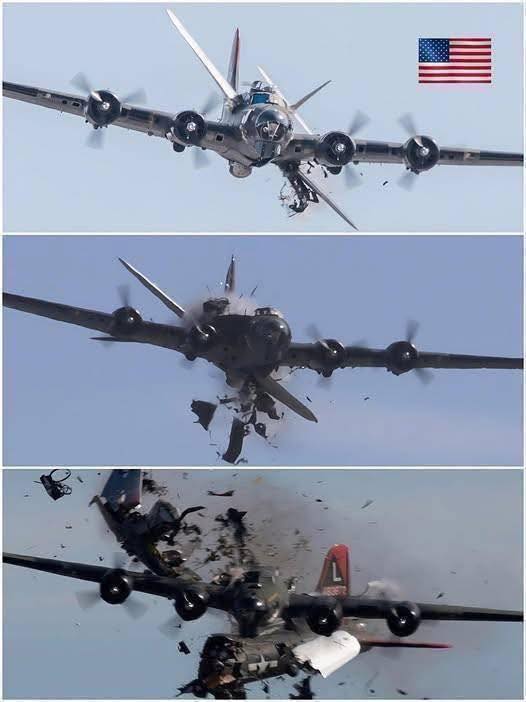
What began as a festive gathering meant to honor aviation heritage and showcase historic aircraft became a deeply somber moment at the Wings Over Dallas air show. Families, veterans, and aviation enthusiasts arrived expecting an afternoon filled with history, community, and education. Instead, a midair collision between two vintage aircraft transformed the event into one of the most heartbreaking moments in recent air-show history.
Attendees had come to admire aircraft that helped define an era — planes usually only seen in museums, now brought back to life through the dedication of volunteers and historians. But within seconds, the atmosphere shifted dramatically, leaving thousands struggling to process what had unfolded before them.
The Historic Aircraft Involved
The flying demonstration included two well-known aircraft from the 1940s: a Boeing B-17 Flying Fortress and a Bell P-63 Kingcobra. Each played a distinct role in military aviation history.
The B-17 is recognized worldwide as a symbol of American endurance during World War II. Its large frame, multiple engines, and unmistakable silhouette made it central to Allied air campaigns.
The P-63, though less common, represented an era of rapid engineering advancement. Sleek and agile, it showcased the innovation of mid-century aviation designers.
These aircraft were not simply mechanical displays — they were historical artifacts maintained by preservation groups committed to educating the public about aviation and wartime service.
Moments Before the Collision
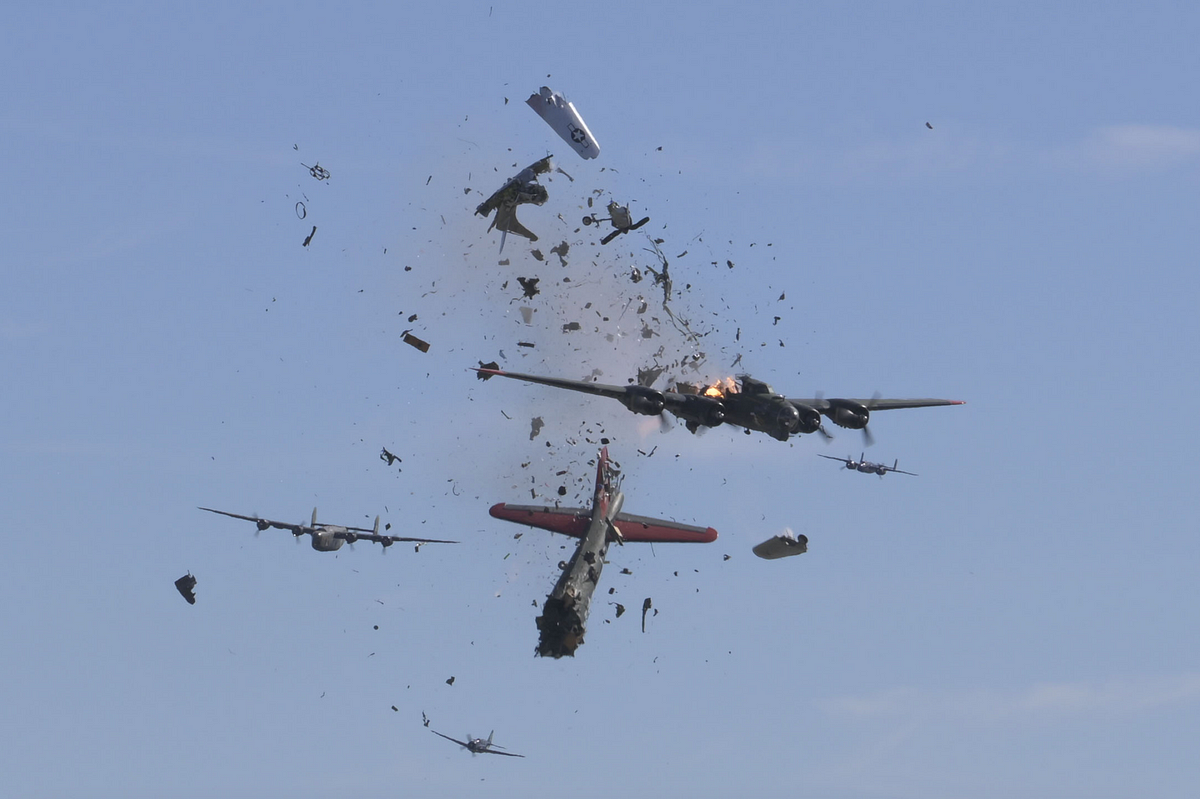
Witnesses described the atmosphere as joyful and energetic. Families pointed skyward as the aircraft made coordinated passes above the crowd. Many spectators commented on how meaningful it was to see machines of this age still flying, accompanied by commentary from historians and pilots explaining their origins.
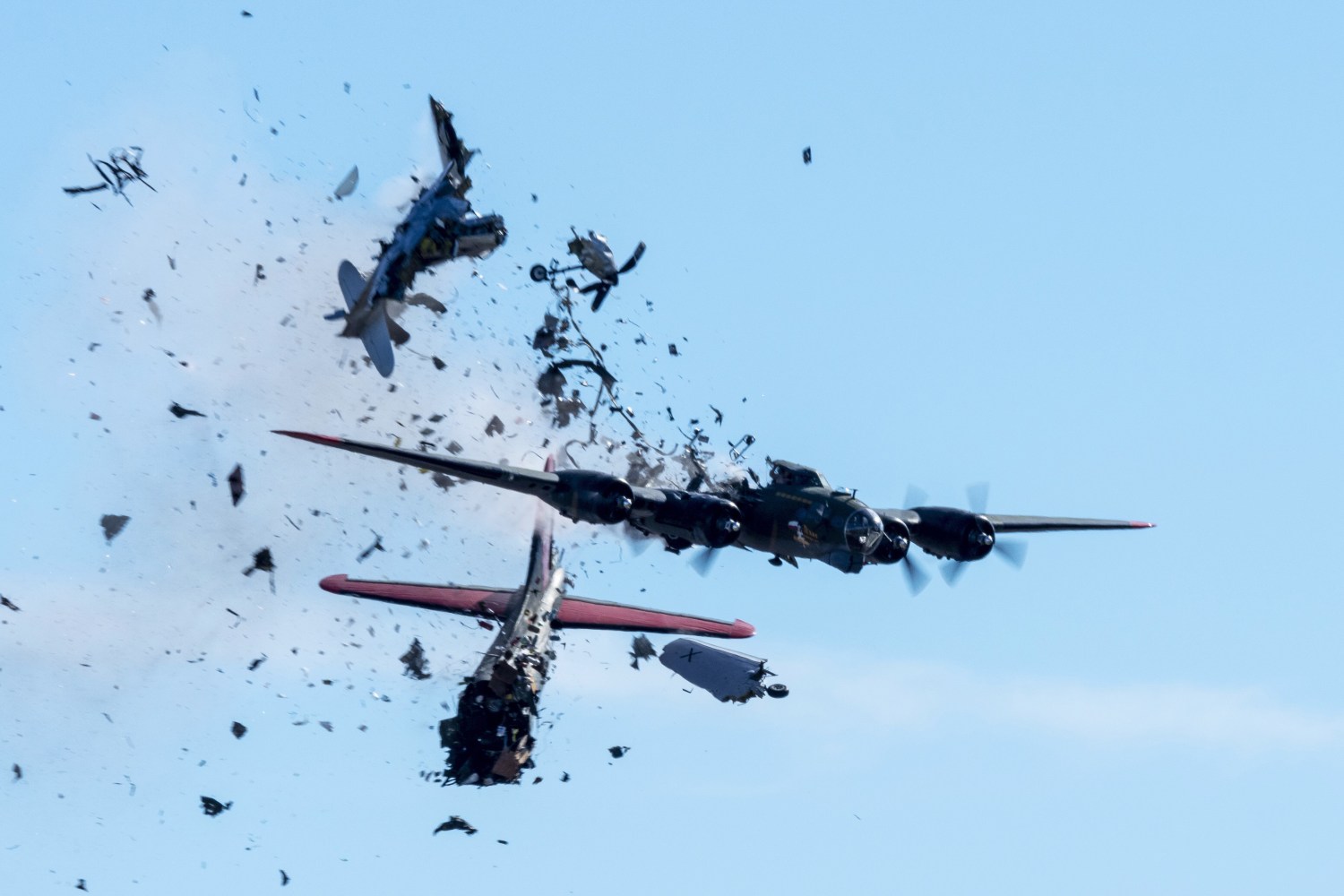
During one of the demonstrations, the formation maneuver changed abruptly. According to early observations and widely circulated video clips, the P-63 appeared to turn in a way that brought it into the path of the B-17. Within seconds, the two aircraft made contact, breaking apart in midair before descending toward the ground.
The suddenness of the collision left the crowd in stunned silence. People who moments earlier were celebrating history now stood motionless, many struggling to comprehend what they had witnessed.
Immediate Response From First Responders
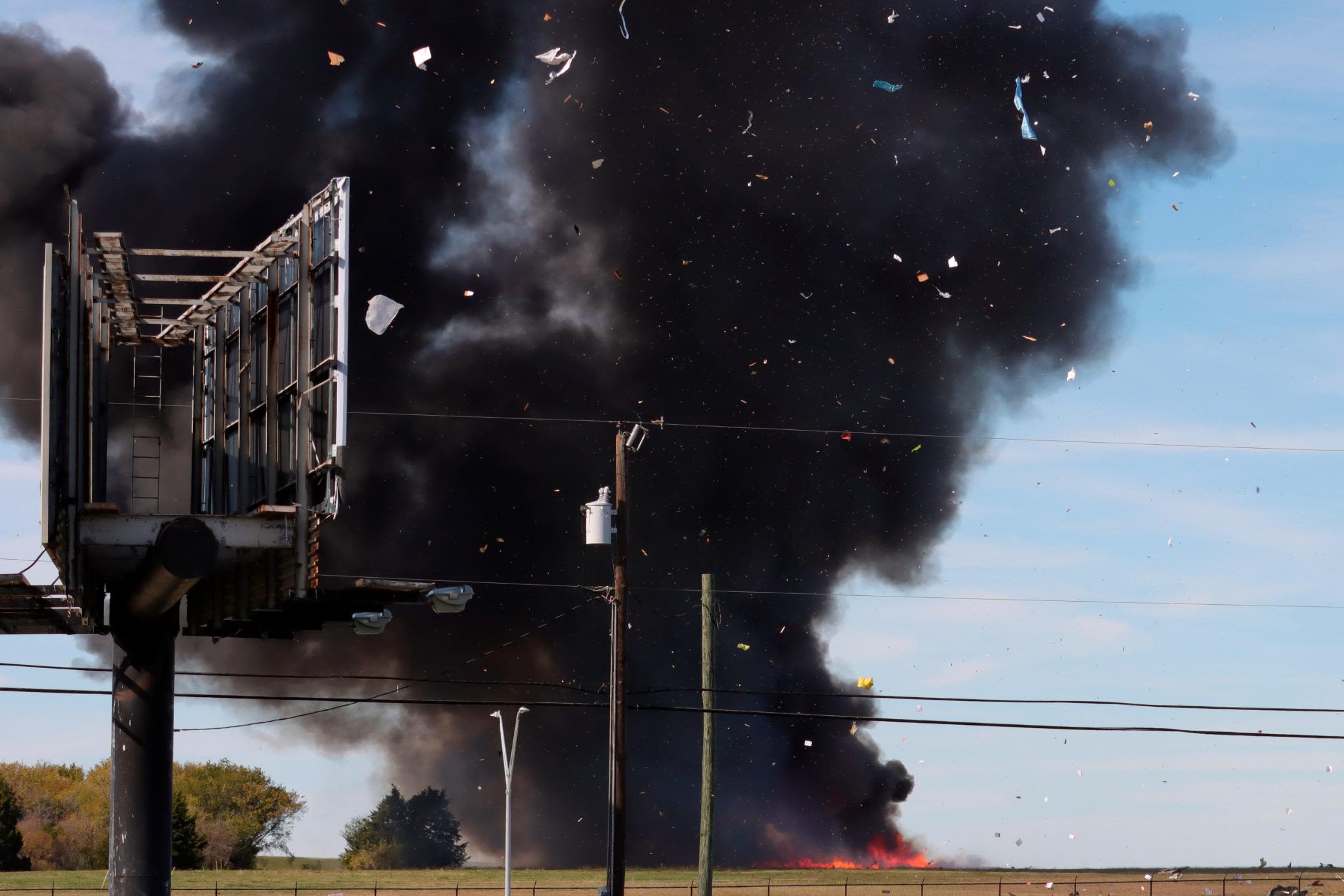
Emergency personnel stationed at the event acted quickly, moving toward the crash site and securing the area. Although their response was swift and coordinated, it became clear that there were no survivors among the six crew members aboard the two aircraft.
The individuals on board were experienced volunteers and aviation preservationists who had dedicated countless hours to restoring and flying these historic planes. Their passion for sharing aviation history with the public was widely recognized within the community.
Local authorities, event organizers, and aviation groups released statements expressing their condolences and emphasizing the professionalism and commitment of the crew members involved.
The Broader Debate Surrounding Vintage Aircraft and Air Shows
The tragedy renewed discussions about the risks associated with flying vintage aircraft in public demonstrations. While these events offer educational value and help preserve interest in aviation history, they also involve planes that are many decades old and require meticulous maintenance.
Supporters of air shows argue that seeing vintage aircraft in flight provides a unique opportunity to connect with history. The sound, scale, and movement of these planes cannot be fully captured in a museum setting, and their operation honors both the crews who originally flew them and the volunteers who keep their stories alive.
Critics, however, stress that the mechanical complexity of older aircraft — combined with the intricacies of formation flying — requires constant evaluation of safety procedures.
In the aftermath of the collision, safety organizations, museums, and preservation groups across the country began reviewing their protocols. Some postponed scheduled demonstrations, while others implemented additional safeguards for upcoming events.
The Investigation Begins

The National Transportation Safety Board (NTSB) quickly launched an investigation, gathering video footage, interviewing witnesses, and analyzing aircraft maintenance records. Investigators examined several key questions:
-
Were the planes following a predetermined flight path?
-
Did visibility or communication play a role?
-
Were spacing or timing issues involved?
-
Did pilot perspective affect situational awareness?
These questions will take time to answer, and investigators emphasized that determining the cause of such incidents requires thorough analysis rather than speculation.
Aviation experts noted that both aircraft were operated by organizations with long records of safety and professionalism, underscoring the complexity of understanding what led to the collision.
Honoring the Crew Members Who Lost Their Lives

The six individuals aboard the two aircraft were more than participants in an air show; they were caretakers of history. Many were veterans, licensed pilots, restoration specialists, or long-time volunteers with deep ties to the aviation community.
Their dedication made events like Wings Over Dallas possible. They restored aircraft that would otherwise sit silent in hangars, educated young audiences about aviation, and honored the service members who once flew these machines in wartime.
For their families and colleagues, the loss was profoundly personal. Tributes appeared online and at the crash site — flowers, flags, and handwritten messages expressing gratitude for the crew members’ contributions to aviation education.
Museums across the country held moments of remembrance, reflecting on the passion and service of those who devote their time to preserving historic aircraft.
A Community Responds With Support and Reflection
In the weeks following the tragedy, support poured in from around the country. Aviation groups offered condolences, pilots shared stories of past demonstrations, and historians emphasized the importance of continuing to preserve and study vintage aircraft with respect and caution.
Parents who attended the show with their children spoke about how they used the experience to discuss history, service, and the significance of the aviation legacy carried forward by volunteers.
While the collision brought sorrow, it also highlighted the deep admiration people hold for the individuals who bring these historic aircraft to life.
Balancing History and Safety
The tragedy at Wings Over Dallas underscored the delicate balance between honoring aviation history and ensuring public safety. Flying vintage aircraft requires precision, training, and collaboration — and it also involves an awareness of the risks inherent in operating machinery from another era.
Event organizers and preservation groups reiterated their commitment to safety and education, emphasizing that any future demonstrations will be evaluated with even greater care.
A Legacy That Endures
Although the day ended in heartbreak, the legacy of the aircraft and the people who cared for them remains intact. Every restored plane, museum exhibit, and historical presentation continues the work these volunteers believed in.
The Dallas air show tragedy serves as a solemn reminder of the dedication required to keep aviation history alive. It also reinforces the importance of thoughtful preservation — ensuring that future generations understand both the achievements and the challenges tied to these remarkable aircraft.
For many who attended the event, the memory of that day will carry both sorrow and gratitude: sorrow for the lives lost, and gratitude for the individuals whose commitment to history helped inspire countless others.